Pest Control in Food Facilities: Prevention First, Chemicals Last
GIFSQ ID: ART-2210
Why pests are a food safety problem
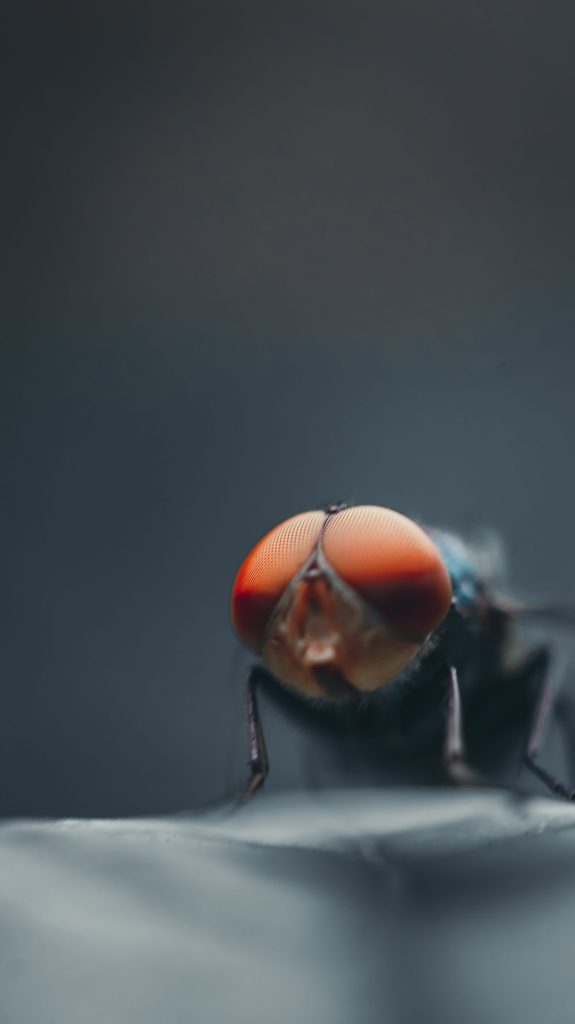
Pests in a food facility are not a housekeeping embarrassment. They are a food safety hazard. Rodents, cockroaches, flies, and stored product insects carry bacteria on their bodies and in their droppings, and they leave physical contamination behind: hairs, droppings, dead insects, and damaged packaging. A single rodent can spread Salmonella through droppings across surfaces it walks on. Cockroaches carry bacteria from drains and waste areas to food contact surfaces. Flies move between waste and food in seconds. Stored product insects, such as flour beetles and grain weevils, infest dry ingredients and multiply inside bags and bins, turning a raw material into a source of complaints and rejections. The United States Food and Drug Administration Food Code and good manufacturing practice rules both require food facilities to keep pests out, and customers and auditors treat pest evidence as a serious finding, not a minor one.
The mistake many plants make is treating pest control as spraying. Spraying kills the pests that are visible today. It does nothing about the gaps they entered through, the food and water that keep them alive, or the harborages where they breed. Real pest control starts with prevention and uses chemicals only where they are needed and safe. That approach has a name, integrated pest management, and it is the standard expected in food production.
The pests that matter most in food plants
Rodents top the list because they gnaw packaging, contaminate large areas with droppings and urine, and reproduce fast. Cockroaches matter because they hide in warm, dark places near motors and drains and come out at night, so a daytime inspection can miss a large population. Stored product insects matter because they arrive inside ingredients and grow silently in storage, especially in flour, grain, spices, and dried fruit. Flies matter because they travel between waste, drains, and food, and because their presence signals sanitation gaps. Each pest needs a different response, which is why identification comes before treatment: the wrong treatment for the wrong pest wastes money and leaves the real problem alive.
Stored product insects: the quiet ones in flour and grain
Stored product insects deserve special attention because they are easy to miss. They are small, they hide inside packaging and ingredient piles, and their damage looks like dust or webbing until the population is large. The controls are basic: inspect incoming dry goods, rotate stock so older material is used first, keep storage areas clean and dry, seal opened bags, and monitor with pheromone traps that attract specific species. A trap catch that rises over several weeks is an early warning. A trap catch that is ignored until insects are visible in the product is a failure of monitoring, not bad luck.
Integrated pest management in plain terms
Integrated pest management means combining several methods so pests have no food, no water, no shelter, and no entry. Exclusion comes first: seal gaps around doors, pipes, and drains; fit door sweeps and air curtains; repair damaged screens; keep outside areas clean and vegetation cut back from walls. Sanitation comes second: remove spilled ingredients promptly, manage waste so bins are closed and emptied on schedule, and keep drains clean, since drains feed cockroaches and flies. Monitoring comes third: traps and inspections that show what is present and where. Targeted treatment comes last, and only where monitoring shows it is needed.
Exclusion: doors, gaps, and drains
Most pest problems start at the building, not inside it. A gap under a loading dock door is a highway for rodents. A missing drain cover is an open door for cockroaches. A torn screen lets flies in all summer. Walking the outside of the building once a month with a simple checklist catches these problems while they are cheap to fix: a door sweep costs little, a rodent infestation costs a lot. Inside, the same logic applies to gaps around pipes and conduits, hollow walls, and unused equipment that becomes a nesting site. Exclusion is boring work, and it is the most effective pest control a plant can buy.
Monitoring tools and how to read them
Traps and bait stations are monitoring tools first and control tools second. Their value is the trend they show. A map of trap locations, checked on a schedule, with catches recorded, turns scattered catches into a picture. One mouse in a trap near the dock in winter may be a single intruder. Rising catches in the same area over four weeks mean a population is building and the entry point is still open. The same logic applies to insect light traps and pheromone traps: location and trend matter more than any single catch. Records should show the trap, the date, the catch, and the action taken, so patterns are visible instead of forgotten.
Reading a trap trend
When catches rise, the response should be to find the cause, not just to add more traps. Check for a new entry point, a sanitation lapse, or a change nearby, such as construction or a neighboring waste problem. When catches fall to zero after a fix, keep monitoring for at least a month before declaring success, since pest populations rebound from hidden harborages. A trend that is reviewed monthly by the plant team, not just by the contractor, keeps pest control inside the food safety system instead of outside it.
Working with a pest contractor
Most food plants use a contractor, and the contract should demand food safe practice. Ask for a site map of all devices, a written report after every visit, trend summaries, and a clear rule: no pesticide applied over or near exposed food, food contact surfaces, or packaging. Ask what chemicals are used, where, and in what amounts, and keep safety data sheets on file. The contractor should report sanitation and exclusion problems they notice, not just spray and leave. A contractor that only sprays, never reports a gap, and never shows a trend is selling visits, not control. Prevention first and chemicals last is not a slogan. It is the order that keeps food safe and keeps chemical use low.
