SOP: Determination of Heavy Filth in Black Tea
GIFSQ — Global Institute for Food Safety & Quality
1. Principle
Black tea is examined for heavy filth: glass particles, metal particles, insect excreta, rodent excreta, insect eggs and insect larvae. The tea is separated from its heavy residue with chloroform (and, if needed, carbon tetrachloride) in a beaker, the residue is filtered onto ashless filter paper, examined microscopically, and the heavy filth is weighed by difference; if the residue is appreciable it is ashed and the ashed weight is also determined by difference. Results support judgement of compliance with Sections 4, 5 and 7 of the Food and Drugs Act.
2. Apparatus required
- 400 mL beaker and suitably sized cover
- Stirring rod (solvent resistant plastic preferred)
- Wash bottles
- Suction filtration apparatus with Buchner or Hirsch funnel
- Plain and ashless filter paper (filter paper should be larger than funnel)
- Petri dishes (suitable size to fit filter paper)
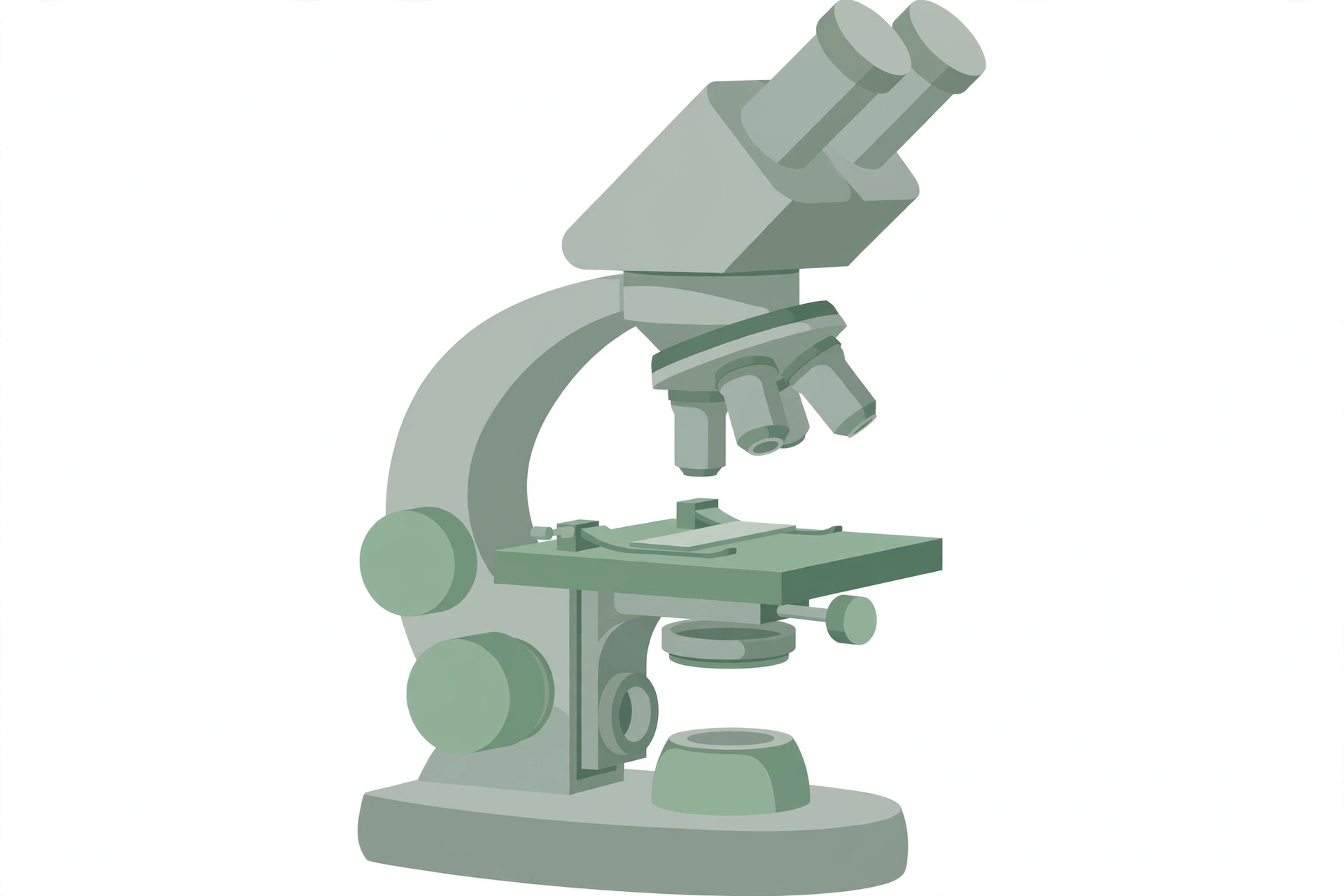
- Stereoscopic microscope (10–30×)
- Platinum crucible
- Muffle oven
- Desiccator
3. Reagents
- Chloroform (CHCl₃)
- Carbon tetrachloride (CCl₄)
4. Sample preparation
- A lot is that amount (volume, weight, etc.) of the food which is produced, stored and/or shipped under conditions as nearly uniform as possible, preferably designated by a common container code or marking, and, in any event, consisting of not more than one variety, grade or type of product from a single identifiable source.
- Scrutinize the entire lot for live infestation. If live infestation is found, do not sample until after fumigation or other effective treatment.
- Obtain three sample units selected at random from the lot of at least 25 g each, using appropriate sampling equipment and containers. Three sample units constitute a sample.
- Keep each sample unit separate and label them 1, 2 and 3. Record complete information on the lot size, the weight of individual containers, the country of origin, the exporter, the importer, or domestic manufacturer, and product and lot identification; this information accompanies the sample.
5. Procedure
If appropriate, freeze the samples prior to analysis to minimize the possibility of a live infestation of the laboratory
↓
Prepare the analytical units: in a random fashion from a sample unit, weigh 25 g of tea; for bagged tea, remove the entire contents from the bags and weigh 25 g — this 25 g constitutes an analytical unit; repeat for the remaining two sample units
↓
Transfer an analytical unit to the 400 mL beaker
↓
Add 200–250 mL of chloroform (CHCl₃) to the beaker; stir thoroughly, cover, and let stand 30 minutes with occasional stirring
↓
Decant the tea and chloroform onto a large plain filter paper cup and filter with suction, leaving the heavy residue of sand and soil in the beaker
↓
Add 50–100 mL of chloroform to the beaker and stir vigorously to dislodge sand or soil particles attached to the remaining tea; cover and let stand 30 minutes with occasional stirring; decant the tea and chloroform onto the filter paper in the funnel as before
↓
Wash down the sides of the beaker with about 50 mL of chloroform from a wash bottle, stir vigorously, cover, and let stand 15 minutes; decant the tea and chloroform onto the filter paper as before; repeat this wash-and-stand cycle until essentially no tea remains in the beaker
↓
If some tea still remains at the bottom, add 50 mL of chloroform and 50 mL of carbon tetrachloride (CCl₄); let stand 15 minutes and decant as before
↓
Filter the residue from the beaker onto pre-weighed ashless filter paper; transfer the filter paper to a petri dish
↓
Examine the particles of heavy filth microscopically at 30× for glass particles, metal particles, insect excreta, rodent excreta, insect eggs and insect larvae
↓
Record the number and the size range of each category of heavy filth detected — for each analytical unit separately
↓
Dry the filter paper and weigh it; determine the weight of heavy filth by difference
↓
If there is an appreciable amount of residue, transfer the filter paper with its contents to a preweighed crucible and ash in the oven at 550–600 °C for two hours; cool the material in a desiccator and weigh it; determine the ashed weight by difference, and record
6. Calculation
Weight of heavy filth = W₂ − W₁
Ashed weight = W₄ − W₃
Where,
– W₁ = weight of the oven-dried, preweighed ashless filter paper
– W₂ = weight of the filter paper plus the dried residue
– W₃ = weight of the preweighed crucible
– W₄ = weight of the crucible plus the ashed material after cooling in the desiccator
7. Precautions
- Carbon tetrachloride can be a health hazard — take care when using it.
- If live infestation is found in the lot, do not sample until after fumigation or other effective treatment.
- If appropriate, freeze the samples prior to analysis to minimize the possibility of a live infestation of the laboratory.
8. References
Health Canada, Compendium of Analytical Methods, Volume 4 — Laboratory Procedure ExFLP-18, January 2019: “Determination of Heavy Filth in Black Tea” (Extraneous Matter and Food Packaging Unit, Greater Toronto Area Laboratory, Canadian Food Inspection Agency; replaces ExFLP-18 dated September 1997).
The method’s own bibliography:
- Pietrzak, E. 2009. Guidelines for the General Cleanliness of Food – An Overview. In: Volume 1. Compendium of Analytical Methods.