SOP: Determination of Extraneous Material in Processed, Sliced, Chopped and Macerated Dates and Date Material
GIFSQ — Global Institute for Food Safety & Quality
1. Principle
Pressed, sliced, chopped and macerated dates and date material are examined for insects, mites, hairs, feather barbules, sand, soil, pits, pieces of pit and other extraneous material. Light filth is isolated by hot-water digestion, wet sieving and kerosene flotation in a Wildman trap flask, and filtered onto ruled paper for stereoscopic examination. Heavy filth is recovered by sieve washing and sedimentation decantation, filtered, examined microscopically, dried and weighed. Pits and pieces of pit larger than 2 mm are felt out, measured and counted. The examination judges compliance with Sections 4, 5 and 7 of the Food and Drugs Act.
2. Apparatus required
- Beakers (1 L)
- Smooth magnetic stirring bar, teflon coated (1 x 5 cm)
- Stirrer hot plate
- U.S. standard sieve, No. 140
- Wildman 2 L trap flask
- Large funnel (~ 15.0 cm top diameter)
- Wash bottles
- Suction filtration apparatus with Hirsch or Buchner funnel (5–7 cm perforated plate), with S&S #8 ruled filter paper larger than the funnel plate so the paper forms a cup in the funnel
- Petri dishes (10 cm)
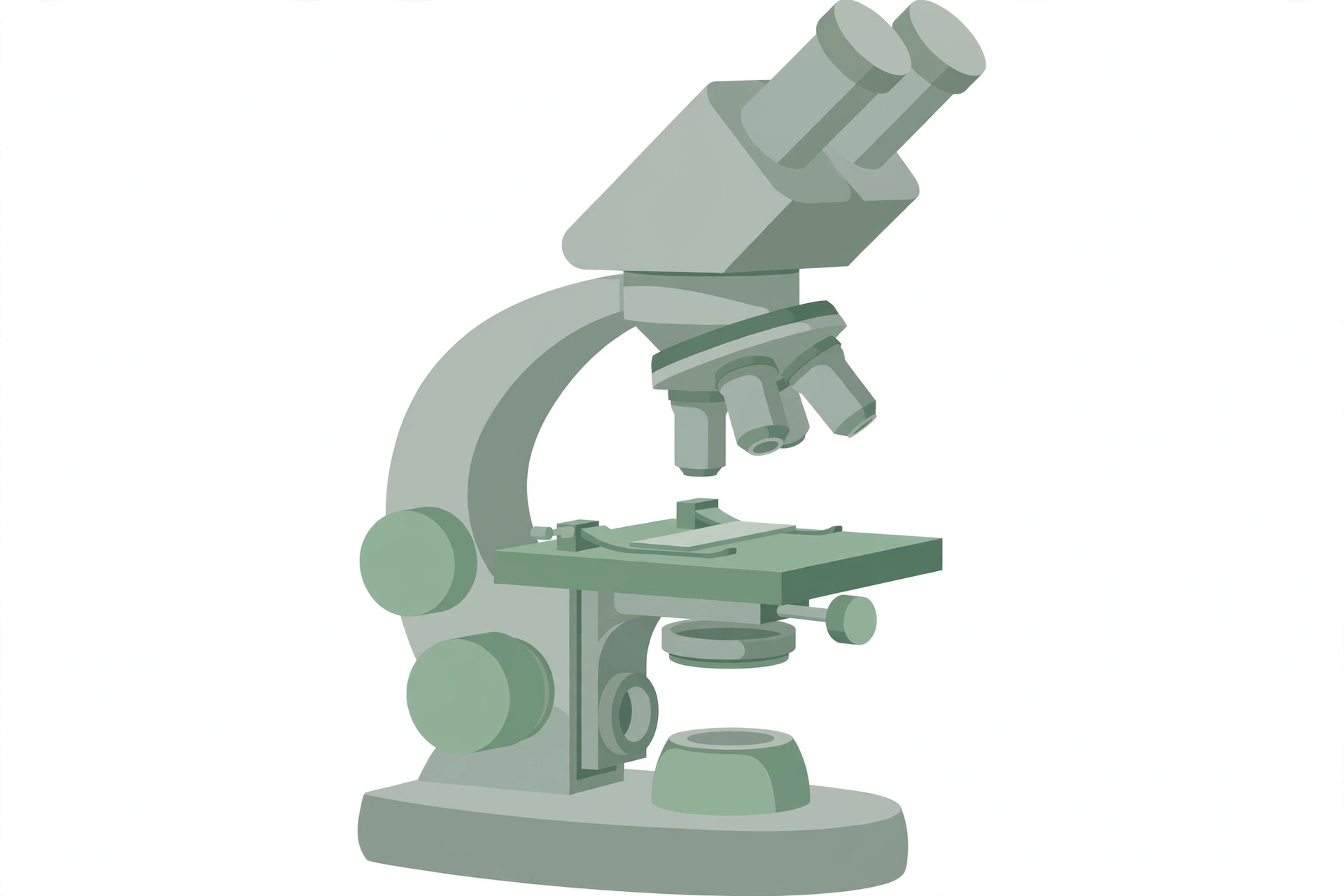
- Stereoscopic microscope (10–30x)
- Drying oven (40°–60°C)
3. Materials and reagents
- Filtered or distilled water
- Deodorized kerosene
- Clearing agent — a glycerol–alcohol (95%) mixture (1:1) is recommended
- To prepare: mix equal volumes of glycerol and 95% ethanol (for example, 50 mL of each).
- Filter paper (S&S #8 ruled or equivalent)
- Alcohol — 95% ethanol or 99% isopropanol
4. Sample collection
- A lot is the amount (volume, weight, etc.) of dates or date material produced, stored and/or shipped under conditions as nearly uniform as possible, consisting of not more than one variety, grade or type of product from a single identifiable source.
- Scrutinize the entire lot for live infestation. If live infestation is found, do not sample until after fumigation or other effective treatment.
- Obtain three sample units selected at random from the lot, each of at least 200 g, using appropriate sampling equipment and containers. Three sample units constitute a sample.
- Keep each sample unit separate and label them 1, 2 and 3. Record the lot size, the weight of the original containers, the country of origin, the exporter, the importer, and product and lot identification; this information accompanies the sample.
5. Procedure
If appropriate, freeze the samples before analysis to minimize the possibility of a live infestation of the laboratory
↓
Break off portions of dates or date material at random from a sample unit and weigh 100 g — this is one analytical unit; repeat for the remaining two sample units
↓
Transfer the 100 g analytical unit to a 1 L beaker; add 400 mL hot (50°–70°C) tap water and a magnetic stirring bar
↓
Bring the mixture to a boil — for pressed dates boil 30–45 min with stirring until finely dispersed; for sliced, chopped and macerated dates and date material boil only 30 min with magnetic stirring
↓
Transfer the mixture to the No. 140 sieve and wet-sieve with hot (50°–70°C) tap water until the water runs freely through the material and the discard water is clear
↓
Place the large funnel in the neck of the trap flask so the rod comes through the funnel; transfer the material to the 2 L trap flask with a strong stream of water from a wash bottle and bring the volume to 900 mL with water
↓
Slowly add 50 mL of kerosene down the trap rod
↓
Slowly bring the stirrer to the maximum speed that does not produce audible or visible splashing or a permanent emulsion — all the material should be in suspension and a portion of the stirring bar should be visible at the bottom of the vortex; stir magnetically for 5 min
↓
Slowly add deaerated water down the trap rod, keeping the top of the stopper just above the kerosene layer; when the stopper is almost fully raised, keep adding water until the kerosene layer passes the stopper and the bottom of the kerosene layer is about 1 cm above the top of the fully raised stopper
↓
Swirl the stopper through the lower portion of the trap flask to suspend the settlings
↓
Let the mixture stand 30 min with intermittent stirring of the bottom layer during the first 20 min
↓
Spin the stopper to remove sediment and trap off by raising the stopper as far as possible into the neck of the flask — keep the stopper in place and pour the liquid off into a beaker (the source prints this instruction with a garbled phrase about the oil layer, 1 cm of liquid and the interface — carried as printed)
↓
Rinse the material on the rod and in the neck of the flask with water from a wash bottle and add the rinsings to the beaker
↓
Lower the rod gently without losing liquid by sudden splashing, especially when the stopper is stuck within the neck of the flask
↓
With water and then alcohol from wash bottles, quantitatively transfer the beaker contents onto an identified ruled filter-paper cup while filtering with suction — do not let liquid accumulate on the paper; transfer the filter paper to a petri dish and moisten it with 1–2 mL of clearing agent
↓
Add 35 mL of kerosene to the trap flask; hand-stir with a vigorous rotary as well as an up-and-down motion for 1 min to disperse the kerosene throughout the mixture; add enough water to bring the interface 1 cm above the fully raised stopper
↓
Let the mixture stand 30 min with intermittent stirring of the bottom layer during the first 20 min — the date material may have to be coaxed down with the stopper of the trap rod
↓
Spin and raise the rod to the highest position as before; rinse the rod with water and then with alcohol
↓
Trap off into a beaker as before, rinsing the neck of the flask with water and then with alcohol
↓
With water and then with alcohol from wash bottles, quantitatively transfer the beaker contents onto an identified ruled filter-paper cup as before
↓
Repeat the isolation for the remaining two analytical units
↓
Examine each filter paper with a stereoscopic microscope at 30x for whole and equivalent whole forms of insects and mites, eggs, rodent and other hairs, feathers, fibres, paper, straw, string, plastic, etc.
↓
Count the whole and equivalent whole forms of insects and mites as follows:
- (a) whole heads of adults, pupae and larvae of Coleoptera and Lepidoptera (shown in Figs. 1–6 — stippled areas)
- (b) partial heads of Coleoptera and Lepidoptera (adults, pupae and larvae) when more than one-half the head is present — these heads must include the entire frons as shown in Figs. 1–6 (stippled areas)
- (c) whole and partial exuvial heads of Coleoptera and Lepidoptera — more than one-half of a partial exuvial head must be present to be counted and it must include the entire frons
- (d) whole heads of adults, pupae and larvae of Diptera (Fig. 7)
- (e) partial heads of Diptera when more than one-half the head is present — for Diptera adults these heads must include the entire frons (Fig. 8, stippled area); for Diptera larvae (maggots) and pupae these heads must include the entire mouth hook (Fig. 7, stippled area)
- (f) mites when they are visible microscopically — that is, when more than 10 per 100 g analytical unit are present (the source notes that if an excessively large number of mites is present they will be conspicuous while looking for insect heads, and that if a large number of mites is suspected the plate can be reexamined — the source prints this with a garbled phrase — carried as printed)
- (g) whole or partial heads of Thysanoptera (thrips), Hemiptera, Homoptera (e.g. aphids), Psocoptera and other related field insects
↓
It is not necessary to identify each species of insect found — it is sufficient to identify them only as Coleoptera, Lepidoptera and Diptera, because most species of these orders are pests. The most common are:
- Coleoptera infesting dates in the field: dried fruit beetle Carpophilus hemipterus (Fig. 1); darkling beetles (Tenebrionidae), e.g. Tenebrio molitor (Fig. 2)
- Coleoptera infesting dates in storage: merchant grain beetle Oryzaephilus mercator (Fauvel) (Fig. 4); dried fruit beetle Carpophilus hemipterus (L.) (Fig. 1); flat grain beetle Cryptolestes pusillus (Schönherr) (Fig. 5); Australian spider beetle Ptinus tectus
- Lepidoptera infesting dates in storage (the source prints “Beetle Lepidoptera that infest dates in storage”): Indianmeal moth Plodia interpunctella (Hübner) (Fig. 6); almond moth Cadra cautella (Walker)
- Diptera infesting dates in the orchard and storage: small fruit flies Drosophila spp. (Fig. 7)
↓
Identify other extraneous material if possible
↓
Record, for each analytical unit separately: the number of Coleoptera, Lepidoptera and Diptera whole and partial heads; the number of mites and other insects; and the number and size of other extraneous material
↓
Empty the remaining trap-flask contents and rinse them portion-wise through the No. 140 sieve; wet-sieve the contents with hot (50°–70°C) tap water until the rinsings are clear
↓
Examine the sieve contents for pits and pieces of pit longer than 2 mm — they are easily felt with fingers (clean); remove the pits and pieces of pit, measure them and count the pits and those pieces longer than 2 mm (longest dimension)
↓
Transfer the remaining material from the sieve to a 1 L beaker and fill with water
↓
Let the contents settle 15 sec and decant the upper portion, leaving the heavy residue of sand and soil etc. in the beaker
↓
Add more water and repeat the settling and decanting until all plant material has been removed
↓
Quantitatively transfer the residue from the beaker to a pre-weighed oven-dried filter paper
↓
Examine the filter paper with a stereoscopic microscope at 30x for rodent pellets, insect excreta, insect larvae, insect eggs and other organic filth
↓
Dry the filter paper in the oven and determine its tared weight in mg
↓
Repeat the heavy-filth isolation for the two remaining analytical units
↓
Record the weight of heavy filth, and record the number of pits and pieces of pit longer than 2 mm (longest dimension) per 100 g of date material
6. Calculation
The heavy filth is determined by difference:
Heavy filth (mg) = W₂ − W₁
Where,
– W₁ = weight of the pre-weighed oven-dried filter paper
– W₂ = weight of the dried filter paper plus the heavy-filth residue
7. Precautions
- Do not sample a lot showing live infestation until after fumigation or other effective treatment.
- If appropriate, freeze the samples before analysis to minimize the possibility of a live infestation of the laboratory.
References
Health Canada, Compendium of Analytical Methods, Volume 4 — Laboratory Procedure ExFLP-14, January 2019: “Determination of Extraneous Material in Processed, Sliced, Chopped and Macerated Dates and Date Material” (Extraneous Matter and Food Packaging Unit, Greater Toronto Area Laboratory, Canadian Food Inspection Agency; replaces ExFLP-14 dated September 1997).
The method’s own bibliography:
- Pietrzak, E. 2009. Guidelines for the General Cleanliness of Food – An Overview. In: Volume 1. Compendium of Analytical Methods.