SOP: Determination of Extraneous Material in Cocoa Beans
GIFSQ — Global Institute for Food Safety & Quality
1. Principle
Cocoa beans are sampled and examined for insect infestation and mould to determine compliance with the requirements of Sections 4, 5 and 7 of the Food and Drugs Act. The cut surfaces of the beans are examined visually for insects, mould and their damage, and each bean is classified as insect damaged, mouldy, both, or acceptable. This method replaces ExFHPB-2 dated February 2006.
2. Apparatus required
- Sharp knife
- Strong forceps
- Illuminator
- Magnifying lens (3–5x)
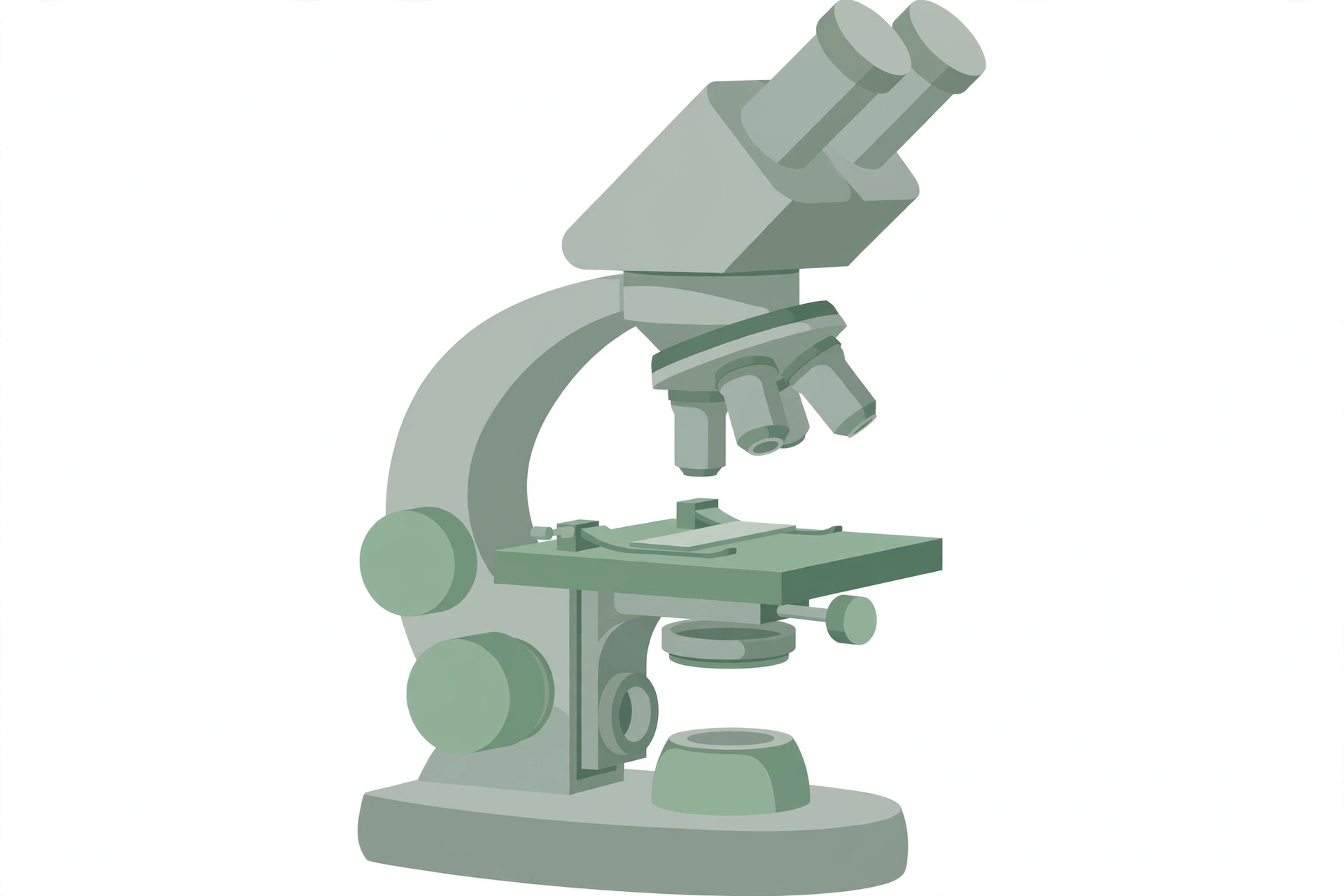
- Stereoscopic microscope (10–70x)
- Compound microscope (100x)
- Sampling equipment and containers (as appropriate for the lot)
3. Collection of samples
- A lot is that amount (volume, weight, etc.) of the food which is produced, stored and/or shipped under conditions as nearly uniform as possible, preferably designated by a common container code or marking, and, in any event, consisting of not more than one variety, grade or type of product from a single identifiable source.
- Scrutinize the entire lot for live infestation. If live infestation is found, do not sample until after fumigation or other effective treatment.
- Obtain eight sample units selected at random from the lot, each of at least 100 beans (250 g). Eight sample units constitute a sample.
- Keep each sample unit separate and label the units 1, 2, 3, and so on. Record the lot size, the weight of individual containers, the country of origin, the exporter, the importer and the product and lot identification, and let this information accompany the sample.
4. Analytical units
- Thoroughly mix a sample unit and take 100 beans in a random fashion. These 100 beans constitute an analytical unit.
- If a broken bean exceeding one half of a bean is found, consider it a whole bean. If less than half a bean is encountered, disregard it and replace it with a whole bean.
- Repeat for each of the remaining seven sample units.
5. Procedure
Cut the beans
↓
Hold a bean with a pair of strong forceps and cut it in half parallel to the flat side with a sharp knife
↓
Examine the two cut surfaces with an illuminator and a magnifying lens (3–5x) for insects, mould and their damage
↓
Use the stereoscopic microscope (10–70x) only to confirm questionable areas
↓
Confirm mould filaments by transferring questionable particles to a glass slide and observing with a compound microscope (100x)
↓
Repeat the examination for the remaining beans in the analytical unit, then for the remaining seven analytical units
↓
Classify each bean into one of the following categories:
- Insect damaged — beans containing insects or their parts, insect tunnels, excreta, eggs, or webbing. Report the kind and approximate number of insects and parts if present.
- Mouldy — beans containing mould except at the germ (radicle) end. Do not classify as mouldy those beans which have a white or grey appearance (crystal formation), a bluish-grey slaty appearance (unfermented), or a purple appearance (underfermented) but contain no mould filaments. Also do not count those beans which contain oil droplets resembling fruiting bodies on the cut surface. These may be confirmed by observation through a stereoscopic microscope (10–70x): if the droplets coalesce under the heat of a lamp, they are not fruiting bodies.
- Both insect damaged and mouldy — do not classify these beans in the insect-damaged category or the mouldy category.
6. Calculation
Record the percent by number of each category of defectives, separately for each analytical unit, to the nearest 1%:
% only insect damaged defectives = (total number of insect damaged cocoa beans ÷ total number of beans examined = 100) × 100
↓
Category (b) = % only mouldy defectives, computed the same way
↓
Category (c) = % both insect damaged and mouldy defectives, computed the same way
↓
Combine the percent by number of each category to obtain the total percent defectives for each separate analytical unit:
total percent defectives for analytical unit #1 = (a1 + b1 + c1) %
total percent defectives for analytical unit #2 = (a2 + b2 + c2) %
and so on for each unit
↓
Determine the number of sample units in each of the following three ranges of percent defectives:
- 0–5%
- 6–10%
10%
Where:
- a = % only insect damaged defectives in the analytical unit
- b = % only mouldy defectives in the analytical unit
- c = % both insect damaged and mouldy defectives in the analytical unit
7. Interpretation of results
- Acceptable beans: beans that do not show any of the above defects but may show other quality-related damage.
- Do not classify as defective those beans which contain a red-brown encrustation on the outer surface or the folds of the nibs (cotyledons).
- Do not consider sticks, stones, dirt clumps, hairs, feathers, fibres, paper, straw, string, or plastic etc. that should be removed during further processing.
- For guidelines relating to different types of extraneous materials in cocoa beans, see Table 1 of the “Guidelines for the General Cleanliness of Food — An Overview” in Volume 1 of the Compendium of Analytical Methods.
References
Health Canada, Compendium of Analytical Methods, Volume 4 — HPB Method ExFHPB-2, March 2009: “Determination of Extraneous Material in Cocoa Beans.”