SOP: Determination of Light Filth in Ground Cinnamon
GIFSQ — Global Institute for Food Safety & Quality
1. Principle
Light filth — insects, insect fragments, mites, hairs, feather barbules and other extraneous material — is separated from ground cinnamon by hot-acid dispersion and wet sieving, then isolated by mineral-oil flotation in a percolator. The mineral-oil layer carrying the light filth is filtered onto ruled filter paper, and the filth elements are counted under a stereoscopic microscope. The method applies to the examination of ground cinnamon for light filth extraneous material to determine compliance with Sections 4, 5 and 7 of the Food and Drugs Act.
2. Apparatus required
- Balance
- 2 L beaker
- Smooth magnetic stirring bar, Teflon coated (1 × 5 cm)
- Stirrer hot plate
- U.S. standard No. 230 sieve
- 2 L percolator
- Wash bottles
- Rubber policeman attached to a long glass rod
- Suction filtration apparatus with Buchner or Hirsch funnel (5–7 cm perforated plate)
- Ruled filter paper, larger than the funnel plate (7–9 cm)
- Petri dishes to suit the size of filter paper used
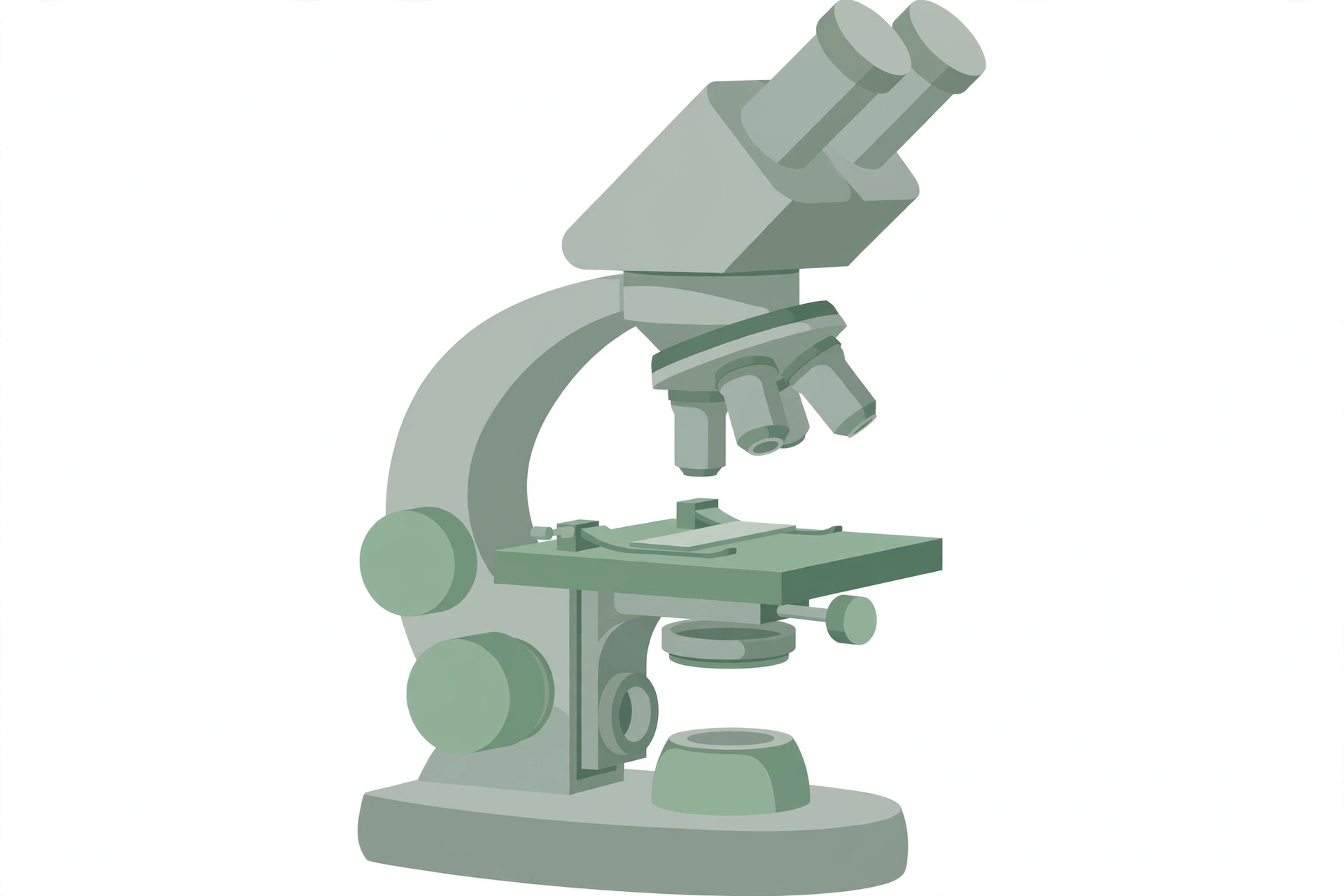
- Stereoscopic microscope (30–70×)
3. Reagents
- Concentrated HCl
- Mineral oil — paraffin oil, white, light, 125/135 Saybolt Universal Viscosity (38 °C), specific gravity 0.840–0.860 (24 °C)
- Alcohol, 95% and 60%
- 95% alcohol — use as supplied.
- 60% alcohol — to prepare: dilute 95% ethanol with distilled water to 60% (v/v) (for example, 63 mL of 95% ethanol made up to 100 mL).
- Glycerol–95% ethanol mixture (1:1)
- To prepare: mix equal volumes of glycerol and 95% ethanol (for example, 50 mL of each).
4. Sample preparation
- Scrutinize the entire lot for any evidence of live infestation. Do not sample until after fumigation or other effective treatment if live infestation is found.
- Obtain three sample units of at least 50 g each, selected at random from the lot with appropriate sampling equipment and containers. The three sample units constitute a sample.
- Keep each sample unit separate, labelled 1, 2 and 3. Record the lot size, weight of individual containers, country of origin, exporter, importer or domestic manufacturer, and product and lot identification, to accompany the sample.
- Thoroughly mix a sample unit and in a random fashion weigh 25 g — this 25 g is the analytical unit.
- Repeat the 25 g weighing for each of the remaining two sample units.
5. Procedure
Mix the sample unit thoroughly and weigh a 25 g analytical unit
↓
Repeat for the remaining two sample units
↓
Transfer one 25 g analytical unit into the 2 L beaker
↓
Add 500 mL of hot (50–70 °C) water, then 50 mL of concentrated HCl
↓
Stir several minutes with the stirring bar at high speed on the stirrer hot plate, holding the temperature without boiling, until the gel is dispersed — the suspension becomes less viscous and the vortex more pronounced
↓
Wet sieve small portions onto the No. 230 sieve with a forceful stream of hot (50–70 °C) water until the rinse water is clear
↓
Place the sieve in a shallow pan, cover the residue to a depth of about 2 cm with 95% alcohol, leave for 5 min and drain — repeat once
↓
Wet sieve again until the rinse water is clear
↓
Transfer the sieve retainings to the original beaker with 60% alcohol and dilute to about 1 L with 60% alcohol
↓
Add 50 mL of concentrated HCl and heat (do not boil) while stirring with the magnetic stirrer to prevent charring
↓
When the mixture is hot (near boiling), add 50 mL of mineral oil and stir magnetically for 5 min at the maximum speed that does not produce visible or audible splashing
↓
Promptly transfer the beaker contents to the percolator containing about 250 mL of 60% alcohol; rinse the beaker contents into the percolator with 60% alcohol so that all material is transferred; bring the volume in the percolator to 1700 mL with 60% alcohol
↓
Stir the percolator contents with a long glass rod for 30 s; let stand for 3 min
↓
Drain the oil interface in the percolator to 250 mL
↓
Refill the percolator with hot tap water, adding the water rapidly to thoroughly resuspend the material
↓
Let settle for 3 min and drain as before
↓
Repeat the refill–settle–drain until the aqueous phase is practically free of suspended material
↓
Drain the mineral-oil layer into the original beaker; using wash bottles, wash down the sides of the percolator successively with 50 mL portions of hot tap water and 95% alcohol
↓
Filter the solution by suction through the ruled filter paper, with a minimum of 50 mL washes each of hot water and 95% alcohol, alternately; use the rubber policeman to clean the sides of the beaker if necessary
↓
Transfer the filter paper(s) to petri dish(es) and moisten with the glycerol–alcohol mixture
↓
Repeat the isolation for the remaining two analytical units
↓
Examine each filter paper with the stereoscopic microscope at 30× magnification for insects, insect fragments, mites, hairs, feather barbules and other extraneous material; confirm at higher magnification if necessary
↓
Record the number and range in size of insects, insect fragments, rat or mouse hairs, mites, feather barbules and all other filth elements detected, for each analytical unit separately
6. Precautions
- If appropriate, freeze the samples before analysis to minimize the possibility of a live infestation of the laboratory.
- If evidence of live infestation is found in the lot, do not sample until after fumigation or other effective treatment.
- Do not boil the mixture during the hot-acid dispersion steps; heat without boiling, and stir magnetically during the HCl heating step to prevent charring.
References
Health Canada, Compendium of Analytical Methods, Volume 4 — Laboratory Procedure ExFLP-02, January 2019: “Determination of Light Filth in Ground Cinnamon.” (Replaces ExFLP-02, March 2009.)
Pietrzak, E. 2009. Guidelines for the General Cleanliness of Food — An Overview. In: Volume 1. Compendium of Analytical Methods.