SOP: Rapid Determination of Glass in Particle-Free Food Products
GIFSQ — Global Institute for Food Safety & Quality
1. Principle
Glass fragments are separated from particle-free foods packed in glass when the containers cannot be checked by candling — because of the colour or viscosity of the product, or the colour, opacity or shape of the container. The entire contents of 24 randomly selected containers are washed through a No. 40 sieve, the retained material is filtered onto ruled filter paper, and the paper is examined under the microscope; suspect fragments are confirmed through crossed polars, under which glass stays dark (isotropic) while plastic produces colours. The findings show whether the product meets Sections 4, 5 and 7 of the Food and Drugs Act.
2. Apparatus required
- U.S. standard No. 40 sieve
- Suction filtration apparatus with Buchner or Hirsch funnel (5–7 cm perforated plate)
- Ruled filter paper — larger than the funnel plate
- Petri dishes to suit the size of the filter papers used
- Magnifying lens (3–5 ×)
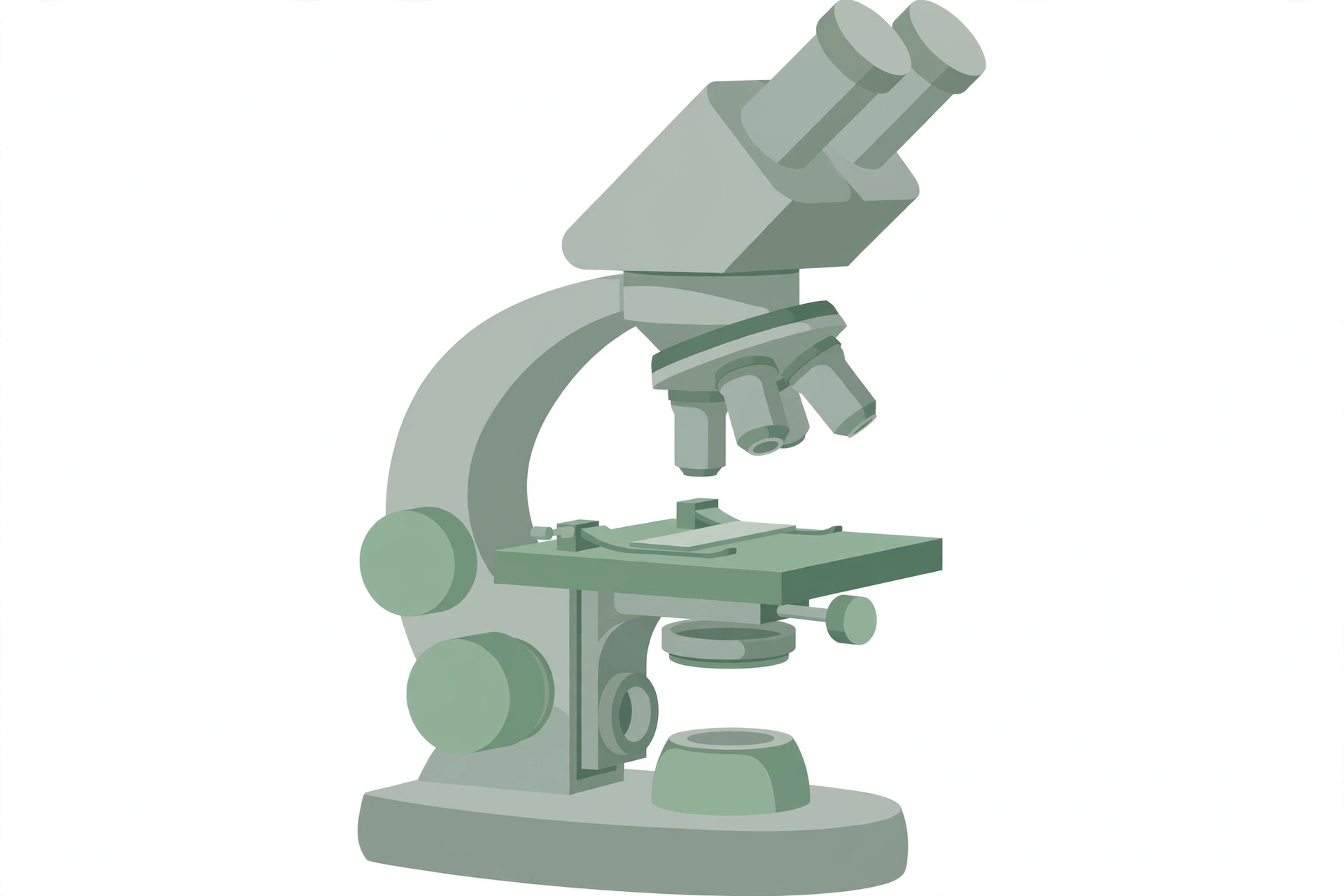
- Stereoscopic microscope (30–70 ×)
- Polarizing or compound microscope equipped with polarizing filters
3. Reagents
- 1% hot sodium lauryl sulfate solution
- To prepare: dissolve 1 g of sodium lauryl sulfate in distilled water and make up to 100 mL; heat before use.
- Alcohol, 95%
4. Sample collection and preparation
- A lot is the amount of food (volume, weight, etc.) produced, stored and/or shipped under conditions as nearly uniform as possible, preferably identified by a common container code or marking, and in any event consisting of not more than one variety, grade or type of product from a single identifiable source.
- Take 24 sample units at random from the lot; each unit is a whole glass container. Twenty-four sample units make one sample.
- Keep every sample unit separate and label them 1, 2, 3 and so on. Record the lot size, the size of the individual containers, the country of origin, the exporter, importer or domestic manufacturer, and the product and lot identification, and send that information with the sample.
5. Procedure
Keep everything that touches the analytical unit free of glass and of polyethylene — stainless steel apparatus is recommended.
↓
The entire contents of one glass container form one analytical unit.
↓
Chemicals may be bought or stored in clear glass containers — guard against cross-contamination (for example, pass the chemical through a No. 100 sieve into a metal container before it ever meets the sample).
↓
Empty the contents of the container onto the No. 40 sieve.
↓
Rinse the container and the cap three times with water and pour the rinsings onto the sieve.
- For an oil-based product, rinse the container and cap twice with 1% hot sodium lauryl sulfate first, then once with hot water.
- If the detergent froths inside the container, add a small volume of 95% alcohol.
- Pour every rinsing onto the No. 40 sieve.
↓
Repeat the emptying and rinsing for the remaining 23 containers, compositing all the material onto the same No. 40 sieve.
↓
Transfer the whole sieve contents (the material from all 24 containers) quantitatively onto ruled filter paper by suction filtration, washing it over with water, alcohol and/or 1% sodium lauryl sulfate; rinse the sieve three times and add those rinsings to the same filter paper.
↓
Look over the jar and the lid with the magnifying lens (3–5 ×) for chip damage and for glass particles.
↓
Examine the filter paper under the microscope at 30× for glass fragments.
↓
Confirm every suspect particle through crossed polars on the polarizing or compound microscope: glass is isotropic to polarized light and appears dark, while plastic produces colours.
↓
Record the number and the size of all glass fragments recovered by the isolation procedure from the 24 composited samples.
↓
Record the amount and the size of chip damage on each container, and the amount and the size of glass particles found in each lid.
6. References
Health Canada, Compendium of Analytical Methods, Volume 4 — Laboratory Procedure ExFLP-07, January 2019: “Rapid Determination of Glass in Particle-Free Food Products” (replaces ExFLP-07, April 1995).
Pietrzak, E. 2009. Guidelines for the General Cleanliness of Food — An Overview. In: Volume 1, Compendium of Analytical Methods.