SOP: Preparation of Agars and Reagents — Media Glossary, Sections J–K
GIFSQ — Global Institute for Food Safety & Quality
Principle
This document gives the laboratory formulations of the agars and reagents in the Media Glossary that begin with the letters J and K. For each medium it lists the basal medium ingredients with their quantities, any supplement, and the complete-medium preparation steps, so that the medium can be prepared in the laboratory and made available to the analytical methods of the compendium.
Apparatus required
- Analytical balance
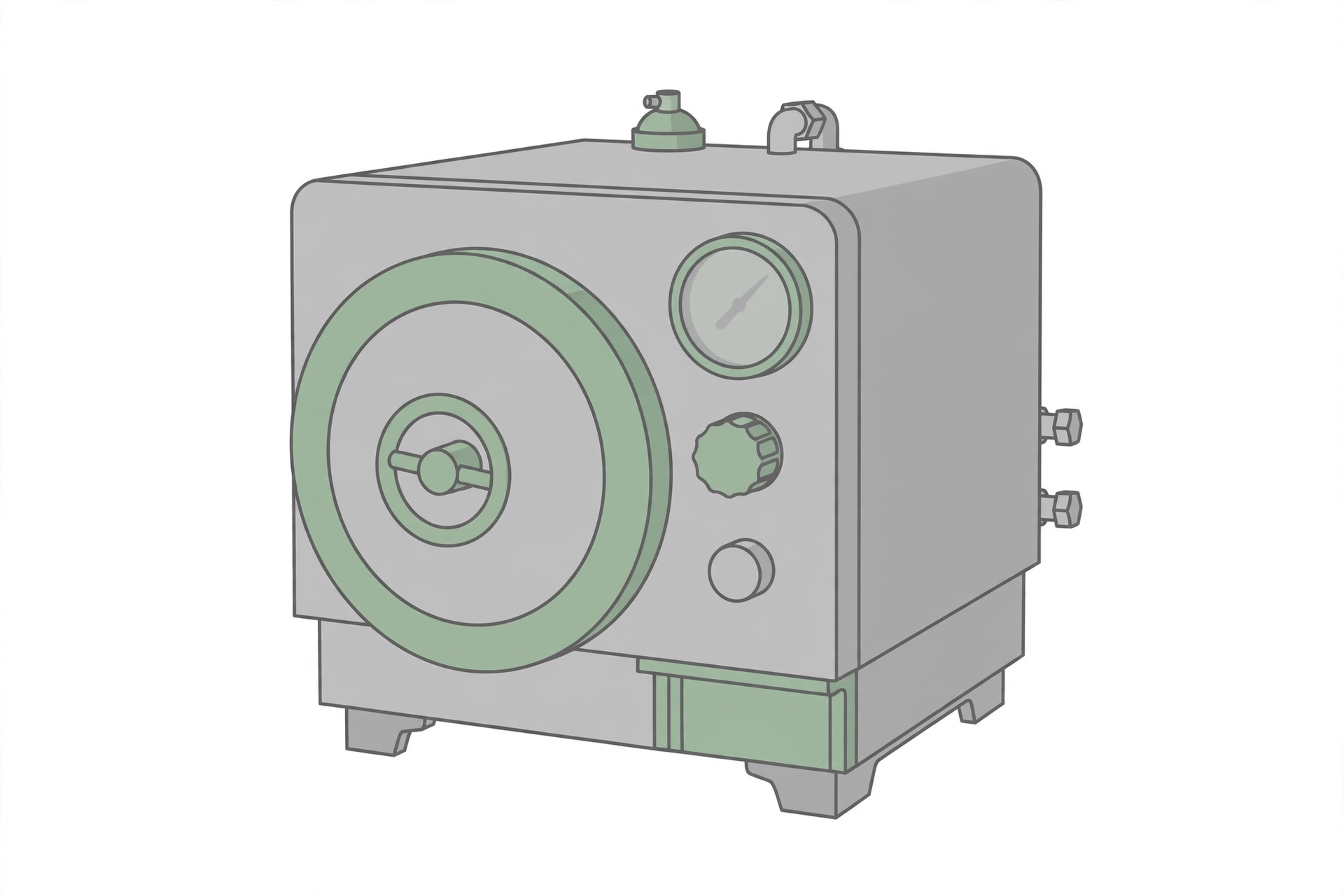
- Autoclave
- Screw-cap tubes (13 x 100)
- Heating equipment for boiling
- Tubes or flasks
- Sterile Petri dishes
King’s Medium B
Basal medium
- Proteose peptone No. 3 — 20.0 g
- Potassium phosphate, dibasic, anhydrous (K₂HPO₄) — 1.5 g
- Magnesium sulphate 7 hydrate (MgSO₄·7H₂O) — 1.5 g
- Glycerol — 15.0 mL
- Agar — 20.0 g
- Distilled water — 1.0 L
- Final pH: 7.2 ± 0.2
Complete medium
- Add all components to the distilled water and bring the volume to 1.0 L
↓ - Mix thoroughly
↓ - Heat gently and bring to a boil
↓ - Dispense into tubes or flasks
↓ - Autoclave for 15 min at 121 °C
↓ - Pour into Petri dishes, or leave in tubes
Klebsiella Selective Agar
Basal medium
- Agar — 15.0 g
- DL-Phenylalanine — 10.0 g
- L-Ornithine-HCl — 10.0 g
- Raffinose — 7.0 g
- Pancreatic digest of casein — 2.5 g
- Yeast extract — 2.5 g
- Potassium phosphate, dibasic (K₂HPO₄) — 2.0 g
- Phenol red solution (see Supplement 1 below) — 10.0 mL
- Distilled water — 990 mL
- Final pH: 5.6 ± 0.2
- Note: additional agar can be added to inhibit the spread of mucoid colonies
Supplement 1 — Phenol red solution
- Phenol red — 0.5 g
- 50% ethanol — 10.0 mL
Supplement 2 — Carbenicillin solution
- Carbenicillin — 0.05 g
- Distilled water — 10.0 mL
- Note: the carbenicillin solution is filter sterilized
Complete medium
- Add all components except the carbenicillin solution to 990 mL of distilled water
↓ - Mix thoroughly
↓ - Heat gently and bring to a boil
↓ - Autoclave for 15 min
↓ - Cool to 45–50 °C
↓ - Aseptically add 10.0 mL of the filter-sterilized carbenicillin solution and mix thoroughly
↓ - Adjust the pH
↓ - Pour into sterile Petri dishes
Kligler Iron Agar (KIA)
Basal medium
- Pancreatic digest of casein — 10.0 g
- Peptic digest of animal tissue — 10.0 g
- Lactose — 20.0 g
- Glucose — 1.0 g
- Sodium chloride (NaCl) — 5.0 g
- Ferric ammonium citrate — 0.5 g
- Sodium thiosulfate (Na₂S₂O₃) — 0.5 g
- Agar — 15.0 g
- Phenol red — 0.025 g
- Distilled water — 1.0 L
- Final pH: 7.4 ± 0.2
- Note: when used for halophilic Vibrio species, add sodium chloride to a final concentration of 2–3%
Complete medium
- Mix all ingredients thoroughly
↓ - Heat with agitation to dissolve
↓ - Dispense into 13 x 100 screw-cap tubes
↓ - Autoclave at 121 °C for 15 min
↓ - Cool, then slant the tubes so the agar forms deep butts
References
- Health Canada, Compendium of Analytical Methods, Volume 1, Appendix G — Glossary of Agars, Broths and Other Reagents, Sections J–K (January 2006)