SOP: Determination of Extraneous Material in Raisins and Currants
GIFSQ — Global Institute for Food Safety & Quality
1. Principle
Raisins and currants are examined for insect infestation, mites, mould, hairs, fibres, sand, soil and other extraneous material, to judge compliance with Sections 4, 5 and 7 of the Food and Drugs Act. The work has three parts: viable and total mould are found by a peroxide-oxygen-bubble test followed by microscopic confirmation, and by boiling and examining the fruit; light filth is recovered by boiling in chloroform, rehydrating, wet sieving, hot-acid digestion and flotation-oil separation in a Wildman trap flask, then filtering onto ruled paper for microscopic examination; heavy filth is recovered by detergent boiling, nested sieving, hot-brine sedimentation and filtration, then charred in a muffle oven and weighed in milligrams per 100 g.
2. Apparatus required
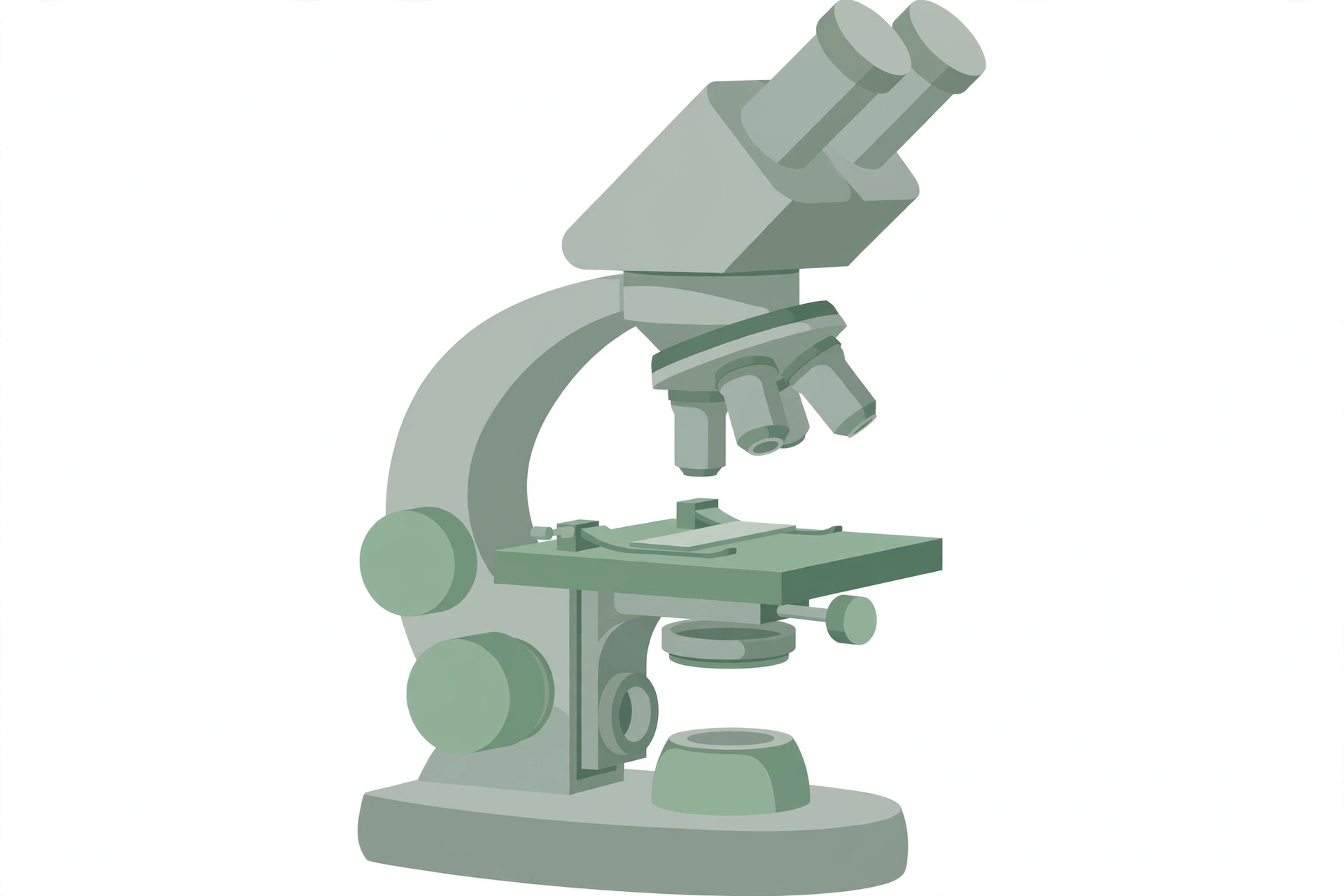
- Stereoscopic microscope (10–30×)
- Compound microscope (100×)
- Magnifying lens (3–5×)
- Glass crystallizing dishes (70 × 50 mm)
- Black glazed paper
- Beakers (250 mL, 500 mL, 1 L and about 1 L)
- Hot plate
- Stirrer hot plate
- Steam bath
- Light-coloured tray
- Glass rod
- S&S #8 ruled filter paper (9 cm)
- Ashless filter papers
- Buchner or Hirsch funnel (7 cm perforated plate)
- Suction filtration apparatus
- Wash bottles
- U.S. standard sieves No. 8, No. 20, No. 140 and No. 230
- Wildman 2 L trap flask
- Magnetic stirring bar
- Petri dishes (10 cm diameter)
- Tared crucibles
- Muffle oven (500–600°C)
- Analytical balance
3. Reagents
- Oxidizing solution — make up a fresh aqueous solution containing 5% hydrogen peroxide (H₂O₂) and 1% ammonium hydroxide (NH₄OH)
- To prepare fresh: dilute commercial hydrogen peroxide and ammonium hydroxide with water to final concentrations of 5% H₂O₂ and 1% NH₄OH (v/v) in the aqueous solution.
- Floatation oil — 15 mL deodorized kerosene and 85 mL mineral oil; the mineral oil is paraffin oil, white, light, 125/135 Saybolt universal viscosity at 38°C
- Chloroform (CHCl₃)
- Isopropanol (99%, 25% aqueous, and undiluted, as used in the isolation)
- 99% isopropanol and undiluted isopropanol — use as supplied.
- 25% aqueous isopropanol — to prepare: dilute 99% isopropanol with distilled water to 25% (v/v) (for example, 25 mL of 99% isopropanol made up to 100 mL).
- Concentrated HCl
- Clearing agent — a glycerol–alcohol (95%) mixture (1:1)
- To prepare: mix equal volumes of glycerol and 95% ethanol (for example, 50 mL of each).
- Detergent (household)
- 15% sodium chloride solution (hot, 50–60°C)
- To prepare: dissolve 15 g of NaCl in distilled water and make up to 100 mL; heat to 50–60°C before use.
- Distilled or filtered water
4. Sample preparation
- A lot is the amount of the food (volume, weight, etc.) produced, stored and/or shipped under conditions as nearly uniform as possible, preferably designated by a common container code or marking, and in any event consisting of not more than one variety, grade or type of product from a single identifiable source.
- Scrutinize the entire lot for live infestation. If live infestation is found, do not sample until after fumigation or other effective treatment.
- Obtain three sample units of at least 400 g each, selected at random from the lot. Keep each sample unit separate and label them 1, 2 and 3. Record the lot size, the weight of individual containers, the country of origin, the exporter, the importer, the domestic manufacturer, and product and lot identification; this information accompanies the sample.
- Prepare the analytical units: for mould, thoroughly mix a sample unit and take 100 whole fruit — a broken fruit exceeding one half counts as a whole fruit; a broken fruit of less than half is replaced by a whole fruit. Repeat for the remaining two sample units. For light filth, thoroughly remix the sample unit and weigh out 225 g per analytical unit; repeat for the remaining two units. For heavy filth, thoroughly remix the sample unit and weigh out 100 g per analytical unit; repeat for the remaining two units.
5. Procedure
If appropriate, freeze the samples prior to analysis to minimize the possibility of a live infestation of the laboratory
↓
Mould examination
Test for viable mould on natural raisins and currants (use this part only for fruit known not to have been bleached by treatment with lye, oil or heat, and only if a viable mould count is needed — every fruit is still examined for total mould as below)
↓
Place 10–15 fruit at a time in a glass crystallizing dish and cover the fruit with fresh oxidizing solution
↓
Place the dish over black glazed paper and count the fruit producing copious oxygen bubbles
↓
Remove these fruit and confirm mould filaments by transferring questionable areas (or, if the areas are large, a representative portion of the area) to a glass slide and observing with a compound microscope (100×); yeasts also react with the hydrogen peroxide — do not count them as defects
↓
Record the number of fruit showing viable mould; repeat for the remaining fruit in the analytical unit
↓
Examine for total viable and non-viable mould on all types of raisins and currants: place fruit in a suitably sized beaker, cover with water, heat to boiling and simmer for 5 minutes; drain off the water and transfer the fruit to a light-coloured tray
↓
Examine each fruit with a magnifying lens for mouldy and suspected mouldy areas ≥ 2.5 mm in length, either singly or in aggregate; confirm mould filaments as above
↓
Classify fruit as mouldy if it contains mouldy areas ≥ 2.5 mm in length, either singly or in aggregate; record the number of mouldy fruit for each analytical unit separately
↓
Light filth isolation
Add 500 mL of chloroform (CHCl₃) to a 225 g analytical unit in a 1 L beaker and boil on a steam bath for 10 min, keeping the chloroform volume at about 500 mL
↓
Decant the chloroform, holding back the fruit with a glass rod, onto ruled filter paper in a Buchner or Hirsch funnel; retain the paper
↓
Repeat the 10 min chloroform boil and decant again
↓
With water, wash the filter retainings from the paper back into the beaker containing the fruit tissue; bring the volume to 700 mL with hot water (55–70°C) and rehydrate the fruit on a steam bath for 30 min
↓
Sieve portionwise onto a U.S. standard No. 8 sieve nested in a No. 140 sieve, thoroughly washing each portion with a stream of hot water while gently rubbing the fruit over the sieve with fingers
↓
Wet the retainings on the No. 140 sieve with 25% aqueous isopropanol, transfer to a 2 L trap flask with 25% isopropanol and bring the volume to 1 L
↓
Add 70 mL of HCl and a magnetic stirring bar; heat to boiling and continue to boil for 10 min with slow magnetic stirring
↓
Cool to below 25°C in a water bath; add 40 mL of floatation oil and stir magnetically for 5 min at the maximum speed that does not produce visible or audible splashing
↓
Gently stir the contents for 10–15 s with the stirring rod and let stand undisturbed for 1 min
↓
Slowly add deaerated 25% aqueous isopropanol down the trap rod, maintaining the top of the stopper just above the oil layer; when the stopper is almost fully raised, continue adding the isopropanol solution until the oil layer passes the stopper and the bottom of the oil layer is about 1 cm above the top of the fully raised stopper
↓
Let stand 15 min with gentle stirring 2–3 times during the first 10 min; trap off the oil layer into a beaker and filter through ruled filter paper
↓
Add 25 mL of floatation oil to the flask and hand stir gently for 1 min; let stand 1 min; gently disturb the oil–alcohol interface with several up-and-down strokes of the stirring rod to help the fine plant material settle; let stand 10 min
↓
Trap off into a beaker a second time; thoroughly wash the neck of the flask with isopropanol (99%) and filter the trappings through a second ruled filter paper
↓
If the second extraction is difficult to filter, pour the trappings onto a No. 230 sieve and wash alternately with undiluted isopropanol and hot water; wash the sieve retainings into a beaker with hot water, add 7 mL of HCl per 100 mL of water, boil for 10 min and filter through ruled filter paper
↓
Light filth examination
Examine each filter paper microscopically at 30× for whole and equivalent forms of whole insects, partial insects, mites, eggs, rodent and other hairs, feathers, fibres, paper, straw, string, plastic, etc.
↓
Count as equivalent forms of whole insects: whole heads of adults, pupae, larvae and exuvia, and partial heads of adults, pupae, larvae and exuvia when more than one half the head is present; these heads must include the entire frons, or in the case of maggots, the entire mouth hook
↓
For other extraneous material, count the number and measure the range in size (mm) for each type; identify any insects, insect fragments or other extraneous material if possible
↓
Record the number and range in size (mm) for each type of extraneous material for each analytical unit separately; record any identifications made
↓
Heavy filth isolation
Quantitatively transfer a 100 g analytical unit to a beaker (about 1 L)
↓
Cover the fruit with about 500 mL of water; add 5 drops of detergent, bring to a boil and simmer for 20 min or more on the hot plate
↓
Wash the fruit through nested sieves, No. 8 on the top, No. 20 in the middle and No. 230 on the bottom, using a combination of water spray and rubbing (the source’s sentence ends here — the source prints “…to release heavy”)
↓
Remove the No. 8 sieve and thoroughly wash the residue on the No. 20 sieve
↓
Collect all material that passes through the No. 20 sieve onto the No. 230 sieve and transfer the material on the No. 230 sieve to a 1 L beaker using a stream of water from a wash bottle
↓
Let the material stand about 5 min, permitting the heavier material to settle to the bottom of the beaker and the lighter fruit tissue to float; decant most of the water and the floating fruit material, retaining the heavier filth in the beaker
↓
Add about 200 mL of hot 15% sodium chloride solution, let stand for 5 min and again decant the liquid and lighter material; remove any remaining NaCl by washing the heavy filth several times with hot water
↓
Filter the residue through preweighed ashless filter paper; examine the filter paper microscopically at 30× for rodent pellets, larvae, eggs and other organic heavy filth and record the results
↓
Transfer the filter paper with contents to a tared crucible and ignite in a muffle oven at 500–600°C; cool and weigh
↓
Weigh the charred heavy filth in mg to the nearest tenth of a mg per 100 g analytical unit
↓
Record the number and range in size (mm) of rodent pellets, larvae, eggs and other organic extraneous material, and the weight of charred heavy filth, for each analytical unit separately; repeat the isolation for the other two analytical units
6. Calculation
The charred heavy filth is determined by difference:
Charred heavy filth (mg per 100 g) = (weight of crucible with charred contents, mg) − (weight of the tared crucible, mg), read to the nearest 0.1 mg
Where,
– the crucible is tared before the filter paper with residue is transferred to it
– the contents are ignited in a muffle oven at 500–600°C before the final weighing
– one determination is made for each 100 g analytical unit
7. Precautions
- If appropriate, freeze the samples prior to analysis to minimize the possibility of a live infestation of the laboratory.
References
Health Canada, Compendium of Analytical Methods, Volume 4 — Laboratory Procedure ExFLP-13, January 2019: “Determination of Extraneous Material in Raisins and Currants” (Extraneous Matter and Food Packaging Unit, Greater Toronto Area Laboratory, Canadian Food Inspection Agency; replaces ExFLP-13 dated September 1996).
The method’s own bibliography:
- Official Methods of Analysis of the Association of Official Analytical Chemists (AOAC), 1990, 15th ed., method 969.42 (cited by number only).
- CAC/RM51-1974, Determination of Mineral Impurities (Sand Test) in Raisins, 1979. Codex Alimentarius Commission, Food and Agriculture Organization of the United Nations and World Health Organization.
- Pietrzak, E. 2009. Guidelines for the General Cleanliness of Food – An Overview. In: Volume 1. Compendium of Analytical Methods.