SOP: Determination of Extraneous Material in Green and Roasted Whole Coffee Beans
GIFSQ — Global Institute for Food Safety & Quality
1. Principle
Green and roasted whole coffee beans are examined for insect infestation, mould, hairs, fibres, sand, soil and other extraneous material. Each analytical unit is examined bean by bean under the microscope, every bean is classified into a defect category, and the percent defectives are calculated. The results show whether the lot meets the requirements of Sections 4, 5 and 7 of the Food and Drugs Act.
2. Apparatus required
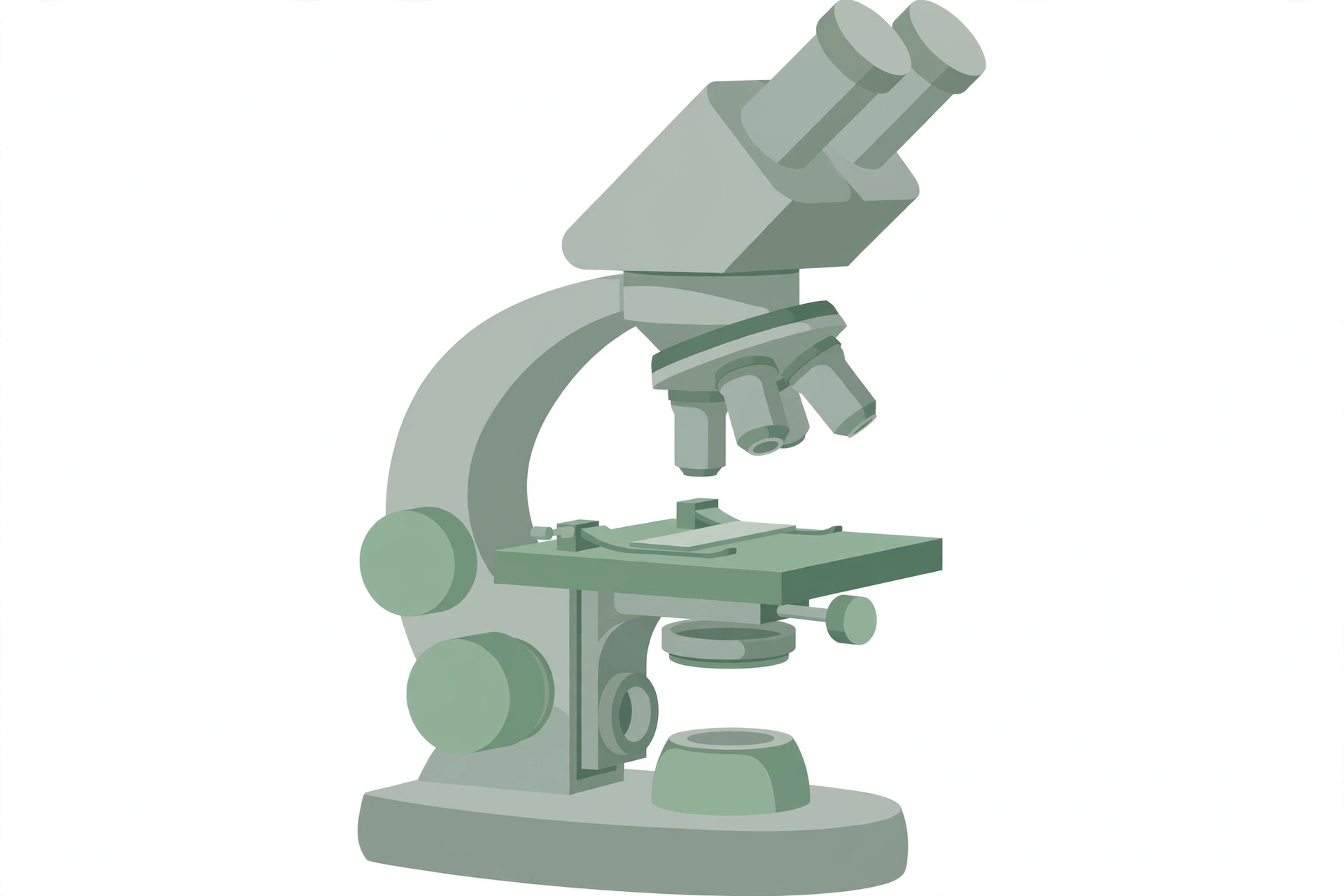
- Stereoscopic microscope (10–70x)
- Compound microscope (100x)
- Light-coloured tray (for roasted beans)
- Magnifying lens (3–5x) (for roasted beans)
3. Collection of samples
- A lot is the amount of food produced, stored and/or shipped under conditions as nearly uniform as possible, preferably designated by a common container code or marking, and in any event consisting of not more than one variety, grade or type of product from a single identifiable source.
- Scrutinize the lot for live infestation. If live infestation is found, do not sample until after fumigation or other effective treatment.
- Take eight sample units at random from the lot, each at least 50 g and not more than 100 g, using appropriate sampling equipment and containers. If prepackaged, select packages weighing as close to 100 g as possible. The eight sample units make up one sample.
- Keep each sample unit separate and label them 1, 2, 3, and so on. Record the lot size, weight of individual containers, country of origin, exporter, importer, and the product and lot identification; this information accompanies the sample.
4. Procedure
Green coffee beans
↓
Mix a sample unit thoroughly and, in a random fashion, take 100 beans — these 100 beans are one analytical unit; if a broken bean exceeds one half of a bean, count it as a whole bean, and if a piece less than half a bean is found, disregard it and replace it with a whole bean
↓
Repeat for each of the remaining seven sample units
↓
Examine each coffee bean in the analytical unit with a stereoscopic microscope at 10x for insect damage, mould, excreta and excrement according to the classification below; use a higher magnification only to confirm questionable areas; confirm mould filaments by transferring questionable particles to a glass slide and observing them with a compound microscope at 100x
↓
Repeat the examination for the remaining seven analytical units
↓
Classify each bean into one of these categories:
- (a) Insect damaged — beans containing insects or their parts, insect tunnels (circular holes 0.3–3.0 mm in diameter), excreta, eggs, or webbing; only clearly identifiable insect damage is counted, specifically beans with bored holes characteristic of insect damage; report the kind and approximate number of insects and parts if present
- (b) Mouldy — beans containing mould hyphae, especially along crevices; mouldy coffee beans often have a strong musty odour
- (c) Both insect damaged and mouldy — do not classify these beans in category (a) or (b); mould may be present along insect tunnels
- (d) Excreta and excrement contaminated — beans showing bird, rodent or other mammalian excrement or excreta
↓
Acceptable beans: beans that show none of the above defects but may show other quality-related damage; beans with black, brown or red discolouration are classified as defective only if insect and/or mould damage is seen
Roasted coffee beans — examination for total filth
↓
Weigh each sample unit
↓
Pour the entire sample unit into a suitably sized light-coloured tray and examine it with a magnifying lens for bird, rodent, other mammalian and insect excreta and excrement, and other extraneous material such as insects, sticks, stones, dirt clumps, hairs, feathers, fibres, paper, straw, string, or plastic; use a stereoscopic microscope (10–70x) only to confirm questionable material
↓
Report the number and size of each type of extraneous material and the total weight of all extraneous material per total weight of the sample unit
↓
Repeat for each of the remaining seven sample units
Roasted coffee beans — bean examination
↓
Mix a sample unit thoroughly and, in a random fashion, take 100 beans — these 100 beans are one analytical unit; if a broken bean exceeds one half of a bean, count it as a whole bean, and if a piece less than half a bean is found, disregard it and replace it with a whole bean
↓
Repeat for each of the remaining seven sample units
↓
Examine each coffee bean in the analytical unit with a stereoscopic microscope at 10x for insect damage, mould, and dirt according to the classification below; use a higher magnification only to confirm questionable areas; confirm mould filaments by transferring questionable particles to a glass slide and observing them with a compound microscope at 100x
↓
Repeat the examination for the remaining seven analytical units
↓
Classify each bean into one of these categories:
- (a) Insect damaged — beans containing insects or their parts, insect tunnels (circular holes 0.3–3.0 mm in diameter), excreta, eggs, or webbing; only clearly identifiable insect damage is counted, specifically beans with bored holes characteristic of insect damage that cannot be confused with other damage; report the kind and approximate number of insects and parts if present
- (b) Mouldy — beans containing mould hyphae, especially along crevices; mouldy coffee beans often have a strong musty odour
- (c) Both insect damaged and mouldy — do not classify these beans in category (a) or (b); mould may be present along insect tunnels
- (d) Miscellaneous defectives — beans showing bird, rodent or other mammalian excrement or excreta, or other attached extraneous material such as sticks, stones, dirt clumps, hairs, feathers, straw, string, or plastic
↓
Acceptable beans: beans that show none of the above defects
5. Calculation
For each analytical unit, record the percent by number of each defect category to the nearest 1%:
- % insect damaged (category a) = (number of insect damaged coffee beans ÷ 100) × 100
- % mouldy (category b) = (number of mouldy coffee beans ÷ 100) × 100
- % both insect damaged and mouldy (category c) = (number of both-category beans ÷ 100) × 100
- % excreta and/or excrement contaminated, or miscellaneous defectives (category d) = (number of category-d beans ÷ 100) × 100
Where:
- The percent by number is based on the total number of beans examined (100) in each analytical unit
Combine the percent by number of each category to obtain the total percent defectives for each separate analytical unit:
- Total percent defectives = (a + b + c + d) % for analytical unit 1
- Total percent defectives = (a + b + c + d) % for analytical unit 2, and so on
Determine the number of sample units falling into each of the following ranges of percent defectives:
- 0–6 %
- 7–12 %
- Greater than 12 %
For roasted coffee beans, also record the number and size of each type of extraneous material and the total weight of extraneous material per total weight of each analytical unit.
6. Interpretation
Interpret the results against Table 1 of “Health Products and Food Branch Standards and Guidelines for the General Cleanliness of Food – An Overview” (Volume I of the Compendium of Analytical Methods), which gives the HPFB guidelines for extraneous materials in green coffee beans and roasted coffee beans.
7. Precautions
- Do not sample a lot with live infestation until after fumigation or other effective treatment.
- Count only clearly identifiable insect damage; a bean showing only black, brown or red discolouration is defective only if insect and/or mould damage is seen.
- Do not place category (c) beans in category (a) or (b).
- Keep the eight sample units separate from each other at all times.
- Record the kind and approximate number of insects and parts whenever insects or parts are found.
References
Health Canada, Compendium of Analytical Methods, Volume 4 — HPB Method ExFHPB-3, February 2006: “Determination of Extraneous Material in Green and Roasted Whole Coffee Beans.” (Replaces ExFHPB-3 dated April 1996.)
“Health Products and Food Branch Standards and Guidelines for the General Cleanliness of Food – An Overview”, Volume I of the Compendium of Analytical Methods, Table 1 (guidelines for extraneous materials in green and roasted coffee beans).