SOP: Detection of Clostridium botulinum and Its Toxins in Suspect Foods and Clinical Specimens
GIFSQ — Global Institute for Food Safety & Quality
1. Principle
Foodborne botulism is confirmed in the laboratory when botulinal toxin and/or viable Clostridium botulinum is found in a suspect food or a clinical specimen, alongside the clinical syndrome. Toxin is detected by injecting serum or extracts from foods and clinical specimens into mice, watching for lethality, and neutralizing the toxin with specific antisera. C. botulinum itself is detected by anaerobic enrichment of foods and clinical specimens in liquid media, followed by toxin analysis of the cultures. In major outbreaks, or with uncommon serotypes, isolation of the responsible organism completes the work-up.
2. Scope and background
- This method detects botulinal toxin and viable C. botulinum in suspect foods and clinical specimens, in accordance with Section 4 of the Food and Drugs Act. Some procedural details are left to the investigator’s discretion, depending on the specimens available and the most likely type of C. botulinum in the outbreak — background information on the outbreak, the suspect food and the victims may point to one group and allow the procedure to be streamlined.
- The C. botulinum strains involved in human outbreaks fall into two groups: group I (proteolytic) and group II (nonproteolytic). The characteristics relevant to the analysis are:
| Group | Toxin types | Trypsin activation of toxin | Spore heat resistance (75°C for 20 min) | Growth below 10°C | Temperature range for growth and toxin production |
|---|---|---|---|---|---|
| I | A, B, F* | ± | + | − | 30–37°C |
| II | B†, E, F* | + | − | + | 26–30°C |
- *Not common. †Not common in North America. Some rare strains of types A and B (subtypes AB, AF, BA and BF) each produce one major toxin (first letter of the subtype) and one minor toxin (second letter of the subtype).
- Proteolytic strains are relatively resistant to heat and preservatives such as salt, acidulants and nitrite, so they are the most likely forms in outbreaks from underprocessed canned foods or from salted, pickled and otherwise cured products. Exceptions include some dry- and brine-cured hams and pickled fish, where C. botulinum may develop before salt, acid and other safety factors have fully diffused through the product.
- With few exceptions, infant botulism is caused by proteolytic strains. The exceptional cases have implicated C. baratii producing type F toxin and C. butyricum producing type E toxin.
- Type E is the prevailing form in aquatic environments and the most likely form in botulism from preserved fish; it is also the main cause of botulism among the native populations of Canada and Alaska.
- Consider both groups equally as possible causes when the implicated food is unknown, when it was temperature-abused with little or no preservative protection, or when it is a canned product with post-process contamination.
3. Apparatus required
- Laminar-flow safety cabinet
- Anaerobic chamber with 35°C incubator
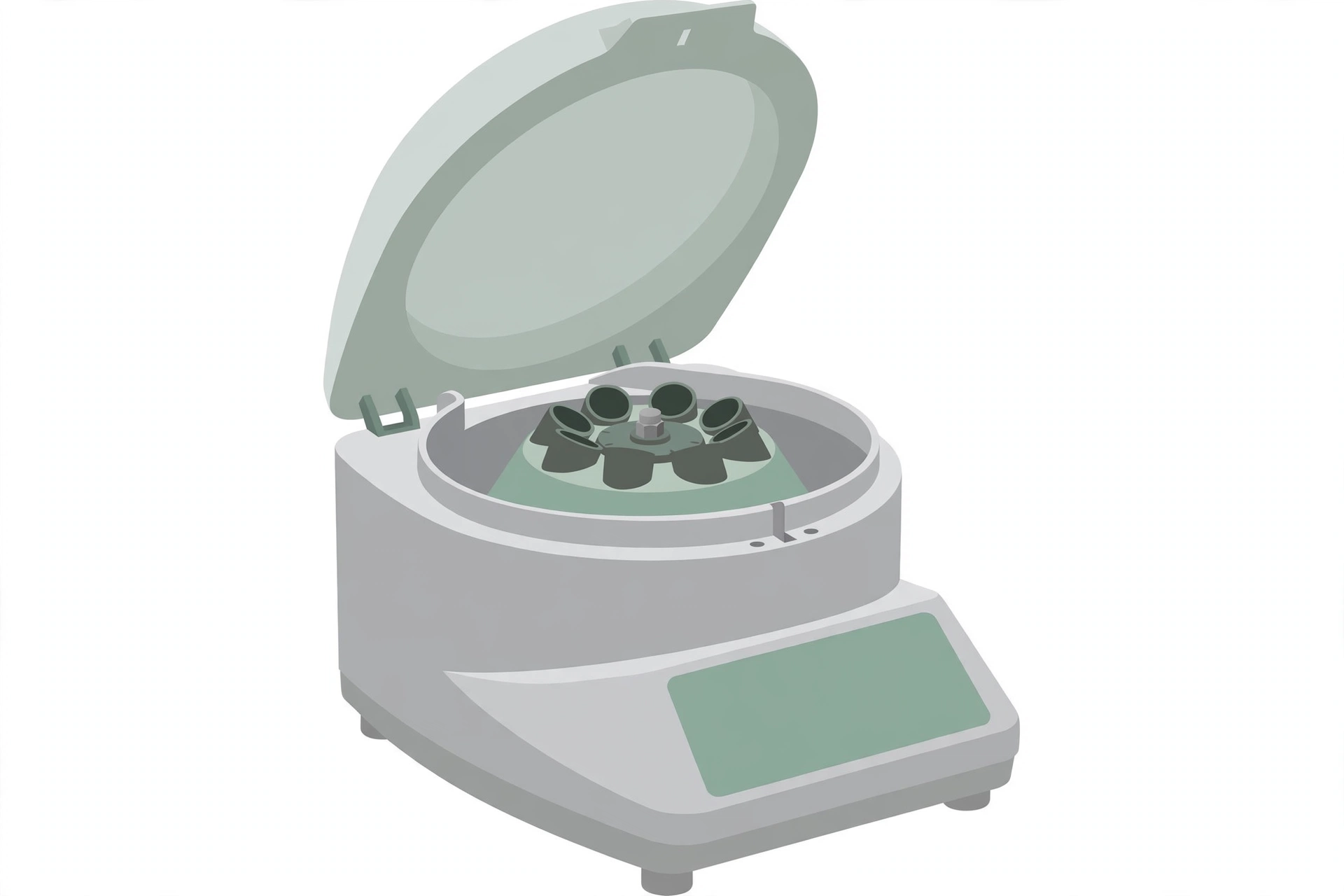
- Refrigerated centrifuge capable of 15,000 × g
- Stomacher or blender
- Vortex mixer
- Water bath at 75°C
- Boiling water bath
- pH meter
- Pipettor
- Disposable syringes with 19-gauge, 1-inch needles
- 0.45 µm disposable filters with Luer locks
- Tuberculin syringes with 25 G, ½″ needles
- Mice (20–30 g, for the mouse toxin bioassay)
- Test tubes (approx. 13 × 100 mm)
- Safety glasses and surgical gloves
4. Media and reagents
- Gelatin phosphate buffer/diluent
- Gelatin Phosphate Buffer: gelatin 2.0 g; disodium hydrogen phosphate (Na₂HPO₄) 10.0 g per 1.0 L of distilled water; pH 6.2 ± 0.2. Add the ingredients to 800 mL of distilled water and dissolve by heating gently; adjust the pH to 6.2 with HCl; add the remaining 200 mL of water (minus the volume of HCl used); autoclave at 121°C for 20 min.
- 1% (w/v) trypsin solution
- To prepare: dissolve 1 g of trypsin in distilled water and make up to 100 mL.
- 1.4% sterile trypsin (for TPGYT broth)
- To prepare: dissolve 1.4 g of trypsin in distilled water, make up to 100 mL, and sterilize.
- Cooked meat medium (CMM)
- Cooked Meat Medium (CMM) — from scratch: beef heart 454 g; proteose peptone 20 g; dextrose 2 g; sodium chloride 5 g. Or use dehydrated medium: distribute 2.5 g of prepared dehydrated medium per 20 × 150 mm screw-cap tube; add 20 mL of cold distilled water; mix and let stand to wet all particles; sterilize 15 min at 121°C. Final pH 7.2. Keeps up to 4 weeks at 0–4°C; before use, de-aerate at 100°C for 10 min and cool.
- Trypticase Peptone Glucose Yeast Extract (TPGY) broth
- Trypticase Peptone Glucose Yeast Extract (TPGY) Broth: trypticase 50.0 g; peptone 5.0 g; glucose 4.0 g; yeast extract 20.0 g; sodium thioglycolate (C₂H₃O₂SNa) 1.0 g per 1.0 L of distilled water; pH 7.2 ± 0.2. Suspend the basal medium ingredients in 1.0 L of hot distilled water; cool and adjust the pH; dispense in 21.0 mL volumes into 20 × 150 mm screw-cap tubes; autoclave at 121°C for 10 min. If stored in excess of 12 h, the medium must be deaerated (at 100°C for 10 min) and cooled before use.
- Clostridium botulinum isolation (CBI) agar
- McClung Toabe agar
- 50% or absolute ethanol
- Absolute ethanol — use as supplied.
- 50% ethanol — to prepare: dilute absolute ethanol 1:1 with distilled water (for example, 50 mL made up to 100 mL).
- 96% or absolute ethanol (for canned-food surface disinfection)
- 0.1 N NaOH or saturated NaHCO₃ (spill neutralization)
- 0.1 N NaOH — to prepare: dilute 1 N NaOH with distilled water to 0.1 N (for example, 100 mL of 1 N NaOH made up to 1 L).
- Saturated NaHCO₃ — to prepare: add sodium hydrogen carbonate to distilled water in excess until no more dissolves.
- Monovalent antisera of types A, B, E and F
5. Specimens
- Food samples: leftovers or unopened containers; for commercial foods, keep the label, lot number and can/package codes.
- Clinical specimens: faeces (about 10 g) or enema fluid; gastric contents (adjust to about pH 6.0 with 1 N NaOH where possible); serum (from 20 mL of blood drawn BEFORE antitoxin is given). In suspected infant botulism, the infant’s faeces are the essential material — if unattainable, soiled parts of diapers or a rectal swab may be submitted.
- Ship according to the Transportation of Dangerous Goods Regulations, cooling the material (commercial cooling packs in the parcel) rather than freezing it. For maximum preservation of toxin, place the secondary container(s) in a styrofoam box with commercial cooling packs; freeze with dry ice only if shipping will be delayed.
6. Procedure
Prepare direct smears of suspect foods and Gram-stain them where a microscopic examination looks useful for selecting suspect foods for analysis (optional — not essential to detecting C. botulinum). Where the food contains excess fat, immerse the heat-fixed slides in xylol for 1–2 min before staining
↓
Prepare each material for toxin analysis according to its type:
- Liquid foods: centrifuge about 20 mL at 15,000 × g for 20 min; decant the supernatant (leave surface fat behind), or withdraw the supernatant into a disposable syringe with a long 19-gauge 1-inch needle; keep the sediment at 4°C for later culture; repeat centrifugation if cloudy; sterilize the supernatant by filtration through a 0.45 µm membrane
- Semi-liquid foods: place 10–15 g in a 40 mL tube, add an equal volume of gelatin phosphate diluent, vortex-homogenize, centrifuge and proceed as for liquid foods
- Solid foods: place 10–20 g in a stomacher bag or blender jar with enough gelatin phosphate diluent (food:diluent ratio 1:1 to 1:3) to yield at least 10 mL of clear supernatant; macerate (stomacher or blender 1–2 min at high speed, blender jars tightly closed to avoid spreading aerosols); double-bag samples prepared in the stomacher; centrifuge and proceed as for liquid foods
- Canned foods: clean and dry the surface; cover the top with 96% ethanol for 2 min, decant and flame off the residual alcohol; open with a sterile can opener inside a large plastic bag to avoid the spread of aerosols; proceed as above
- Serum: submit at least 10 mL if possible; only valid if collected before antitoxin; centrifuge turbid serum at 15,000 × g for 20 min and decant (or filter)
- Faeces: place about 10 g in a 40 mL tube with enough diluent to yield at least 10 mL of supernatant (minimum 7–10 mL if less faeces is available); vortex 2–3 min to homogenize fully; centrifuge and proceed as for liquid foods; filter through a 0.45 µm syringe filter — for unfilterable supernatants, spin in Eppendorf-type tubes at 14,000 rpm for 8–10 min and filter the top portion; if the filtrate is very dark or cloudy, dilute until amber or only slightly cloudy; for infant cases reduce the diluent to 7 mL. Liquid stools, enema fluids and intestinal contents can usually be centrifuged directly with little or no added diluent. For diaper smears and anal swabs, cut the portion containing faecal material with sterile scissors, place it in diluent, vortex-mix for 2–3 min, remove the non-faecal material with sterile tweezers, then proceed from the initial centrifugation
- Gastric contents: measure the pH and adjust to 5.5–6.5 with 1 N NaOH; never let the pH exceed 7.0; centrifuge and proceed as for liquid foods
↓
Run the toxin assay (mouse bioassay)
↓
Dispense 1.2 mL of filtrate into each of three tubes (13 × 100 mm), labelled 1 to 3
↓
Add 0.12 mL of 1% trypsin to tube 3 only; mix on the vortex mixer and incubate at 35°C for 60 min
↓
Heat tube 2 for 10 min in a boiling water bath, then let it cool for 50 min
↓
Leave tube 1 at room temperature for 60 min (no additions)
↓
Inject two mice (20–30 g) intraperitoneally per sample: 0.5 mL for samples 1 and 2, 0.55 mL for sample 3
↓
Observe the mice for 72 h in total: every 2 h for the first 6 h, then at least twice daily on days 2 and 3
↓
If pinched waist and laboured breathing, or death, is recorded in 1 of 2 mice, repeat the injection
↓
For toxin-positive cultures, detect viable C. botulinum by enrichment
↓
De-aerate two tubes each of CMM and TPGY broth (caps loosened) in boiling water for 10 min, then cool to ambient temperature
↓
Add 1.5 mL of sterile 1.4% trypsin to each TPGY tube (these become TPGYT); label the CMM tubes 1 and 2, the TPGYT tubes 3 and 4
↓
Transfer about 1 g of inoculum (original specimen or the sediment from toxin preparation) to tubes 1–3
↓
Treat tube 2 in a water bath at 75°C for 20 min (selection of heat-resistant spores)
↓
For tube 4 (heat-sensitive and heat-resistant spores): suspend about 1 g of inoculum in 10–20 volumes of 50% ethanol, or mix liquid inocula 1:1 with absolute (or 96%) ethanol; keep at ambient temperature for 60 min; centrifuge at 15,000 × g for 15 min and transfer the sediment to tube 4
↓
Incubate tubes 1–4 at 35°C for 1 day and then at 30°C for 4 days
↓
Centrifuge about 10 mL of culture at 15,000 × g for 20 min; filter-sterilize the supernatant (0.45 µm); dilute the filtrate 1:6 with gelatin phosphate and run the toxin assay above
↓
Isolate C. botulinum from toxic cultures (major outbreaks or uncommon serotypes)
↓
Select the enrichment cultures for isolation using the toxic-culture conditions: favour cultures 2 and 4 (the heat-treated CMM culture and the alcohol-treated TPGYT culture) when they are toxic — if cultures 2 or 4 are toxic, tubes 1 and 3 may be excluded
↓
Where the clostridia are not overshadowed by nonclostridial flora, streak the culture directly on McClung Toabe agar or CBI agar; prepare Gram stains of the toxic cultures as well
↓
If the stain shows at least 10% Gram-positive rods, streak a loopful on McClung Toabe agar and CBI agar; incubate anaerobically at 30°C for 48 h (older cultures may stain Gram-negative)
↓
Select five well-separated colonies on McClung Toabe egg-yolk agar showing an opaque lipolysis zone, and five colonies on CBI agar showing an opaque zone with a pearly sheen; transfer each to de-aerated TPGY broth
↓
Incubate at 30°C for 5 days; test for botulinal toxin; streak toxic cultures in duplicate on McClung Toabe egg-yolk agar — one plate aerobically and one anaerobically — to confirm purity
Where the flora is overwhelmingly nonclostridial, treat the culture before streaking: if the Gram stain shows Gram-positive rods with spores, mix 2 mL of culture with 2 mL of 96% ethanol and keep the mixture at room temperature for 60 min, then streak a loopful on McClung Toabe egg-yolk agar and CBI agar and continue as above
Where the clostridia did not sporulate in the toxic enrichment broth, re-incubate for another week at 30°C; alternatively spread 0.1 mL of culture on TPGY agar and incubate anaerobically at 30°C until spores are present in significant numbers (usually 5–10 days), then suspend a loopful in about 2 mL of 50% ethanol, keep at room temperature for 60 min, streak on McClung Toabe egg-yolk agar and CBI agar, and continue as above
7. Interpretation of results
- Typical mouse signs of botulism: ruffled fur, pinching of the waist, laboured breathing, limb paresis and general paralysis before death. Pinched waist and laboured breathing are considered a sufficient endpoint. Botulinal toxin usually kills mice within 2 to 24 h; delayed deaths occur. Death within 2 h of injection likely comes from causes other than botulinal toxin.
- A sample counts as toxin-positive when 2 of 2, or at least 2 of 4, mice show typical signs. Toxin is only CONFIRMED after neutralization with specific antitoxin: mix 1.2 mL of filtered extract with 0.25 mL of monovalent antiserum (A, B, E — add F when indicated), incubate 45 min at room temperature, and inject 0.6 mL per mouse.
- Note: the method’s table gives 0.55 mL for this injection; the procedure text gives 0.6 mL, which this SOP follows.
- If toxicity is not neutralized by the A, B and E antisera, the cause may be: (a) unrelated toxin(s), especially when the signs are atypical for botulism; (b) too little antiserum against very high toxin levels (unlikely in clinical specimens and most toxic foods); (c) a rare serotype; or (d) a dual-toxin-producing strain. When typical botulism signs appear but neutralization fails:
- Endotoxin involvement is suggested by toxicity in the heated sample — dilute the sample 1:10 with gelatin phosphate and repeat the neutralization test to eliminate unrelated toxins
- With exceptionally high toxicity, dilute 1:10 with gelatin phosphate and repeat the neutralization test
- Include F antiserum in the neutralization test
- If a dual-toxin-producing strain is suspected, neutralize with the combinations A+B, B+F or A+F
- If toxin appears only in the trypsinized extract (tube 3), run the neutralization on the trypsinized extract — this indicates a nonproteolytic strain whose toxin needs trypsin activation.
- Mouse lethal doses (MLD): make decimal dilutions of the trypsin-treated and untreated supernatants (up to 1:1,000, and no higher than 1:10,000 initially); inject 2 mice per dilution. The reciprocal of the highest dilution causing death, multiplied by 2, gives the minimal MLD/mL. For example, death at a 1:100 dilution but not at 1:1,000 corresponds to 200–2,000 MLD/mL.
- If neither the untreated nor the trypsin-treated sample is toxic, the analysis is stopped.
8. Precautions
- C. botulinum is a Biosafety Level 2 organism; procedures generating significant quantities of toxin require BSL3 (Office of Laboratory Security, PHAC).
- All work is carried out in cooperation with the Botulism Reference Service in Ottawa.
- Everyone handling toxic materials must be fully briefed on the hazards. Contain all autoclaved material in stainless-steel boxes with handles, and keep potentially toxic materials in unbreakable, leak-proof trays or boxes — botulinal cultures may exceed 10⁵ mouse LD/mL.
- Therapeutic antisera must be available in the province in case of accidental intoxication.
- If toxin is spilled, neutralize it immediately with 0.1 N NaOH.
References
Health Canada, Compendium of Analytical Methods, Volume 2 — HPB Method MFHPB-16, March 2009: “Detection of Clostridium botulinum and its toxins in suspect foods and clinical specimens.”